Umami Without Rice: Balancing Flavor in Low-Carb Filipino Cooking for Sustained Fat Loss
I had a client last year — Marites, mid-40s, San Diego, growing up on adobo and sinigang every week — who cut rice cold turkey to lose weight. Two weeks in, she told me her food tasted like "punishment." She wasn't wrong. She'd kept the ulam recipes the same but dropped the rice, and rice was doing more work than she realized: it was mellowing out salty, fatty, intensely savory sauces into something you could eat a full plate of. Without it, every bite hit the same note — salt, fat, salt, fat — and by day 10 she was bingeing on chips at 9pm. The fix wasn't more willpower. It was rebalancing the umami in the dish itself so it satisfied her without the rice buffer. That's the actual skill behind low-carb Filipino cooking, and almost nobody teaches it.
What Umami Actually Does to Your Appetite
Umami is the fifth basic taste — savory, meaty, brothy — driven mainly by free glutamates and, in combination, inosinates and guanylates. It's not a marketing term. Researchers Masic and Yeomans, publishing in the American Journal of Clinical Nutrition, found that umami-rich foods increased short-term appetite on first taste but also increased satiety and reduced later intake compared to bland versions of the same meal. In plain terms: a well-seasoned dish makes you want to eat it, and then makes you comfortable stopping.
This matters enormously for low-carb eating because carbs — rice specifically — have historically done a lot of the satisfaction lifting in Filipino meals. Take away the rice without addressing flavor, and you're left with food that satisfies less per bite, which pushes people toward snacking later. That's the actual failure mode I see in clients, not a lack of discipline.
The fix is to shift where satisfaction comes from. Instead of relying on volume (a full cup of rice), you build intensity — deeper browning, more concentrated broth, sharper acid, better-balanced salt. A 4oz portion of properly seasoned adobo chicken thigh can be more satisfying than 6oz of bland, boiled chicken breast over rice, and it's doing it with fewer total carbs and often fewer calories.
The Filipino Pantry Is Already Low-Carb
Here's the part that surprises people: the flavor engine of Filipino cooking was never rice. It's patis (fish sauce), toyo (soy sauce), suka (cane or coconut vinegar), bagoong (fermented shrimp or fish paste), and kalamansi. All five are low-carb or carb-free. A tablespoon of patis has roughly 1g of carbs and zero fat; a tablespoon of suka has almost nothing. These condiments carry the umami and acid load of the cuisine, and none of them depend on rice to work.
What this means practically: you can strip the starch out of a dish and the flavor identity doesn't change, because the identity was never in the rice. A sinigang broth built on tamarind, patis, and simmered pork bones tastes exactly as intensely sour-savory whether you eat it over rice, over cauliflower rice, or with nothing at all. If you want to see this principle applied to a specific dish, the chicken sinigang recipe keeps the broth's full sourness and depth without leaning on any starch to round it out.
The one thing to watch is sodium. Patis runs about 1,400–1,600mg of sodium per tablespoon, and bagoong is similar or higher. If patis and bagoong are your main seasoning, drop separate table salt, bouillon cubes, and store-bought sauces entirely — you don't need three sodium sources stacked on one dish.
Rebuilding the Plate Without Rice
Rice's real job on a Filipino plate is dilution — it stretches a strongly flavored ulam across more volume and calms down the salt-fat intensity. Remove it and you need a replacement that does the same volume job without the carb load.
Cauliflower rice is the obvious swap: 1 cup has about 5g of carbs versus roughly 45g for 1 cup of cooked white rice, a 40g carb difference per serving. But cauliflower rice on its own is flavorless and can make a dish taste unfinished if you just dump sauce on top of it cold. Toast it in a dry pan for 3–4 minutes first, then hit it with a splash of the same vinegar or fish sauce used in the ulam — this gives it its own umami footprint instead of making it a passive sponge.
Steamed cabbage wedges or napa cabbage work even better with saucier dishes like adobo or sisig because the leaves hold onto sauce in their folds. A cup of steamed cabbage runs about 33 calories and 8g of carbs, most of it fiber. Shirataki noodles are another option for soupier dishes like sinigang — near-zero carbs, and they pick up broth flavor well after a hot-water rinse to kill the natural odor.
The mistake I see most: people swap the starch but keep seasoning only the protein, leaving the substitute bland. Season every component of the plate, not just the meat.
Protein-Forward Ulam as the Umami Backbone
Filipino ulam is already built around protein-dense, umami-heavy cooking methods — braising, frying, grilling — that concentrate flavor without needing starch. This is your biggest advantage over almost any other low-carb cuisine adaptation.
Adobo is the clearest example: soy sauce and vinegar reduce down around chicken thighs or pork shoulder, concentrating glutamates from the soy and inosinates from the meat into a sauce that's intensely savory on its own. A properly reduced adobo sauce needs almost no additional seasoning. For a version built specifically to keep protein high and carbs low, the healthy chicken adobo recipe uses skinless thigh meat and a shorter braise to keep the sauce concentrated without added sugar.
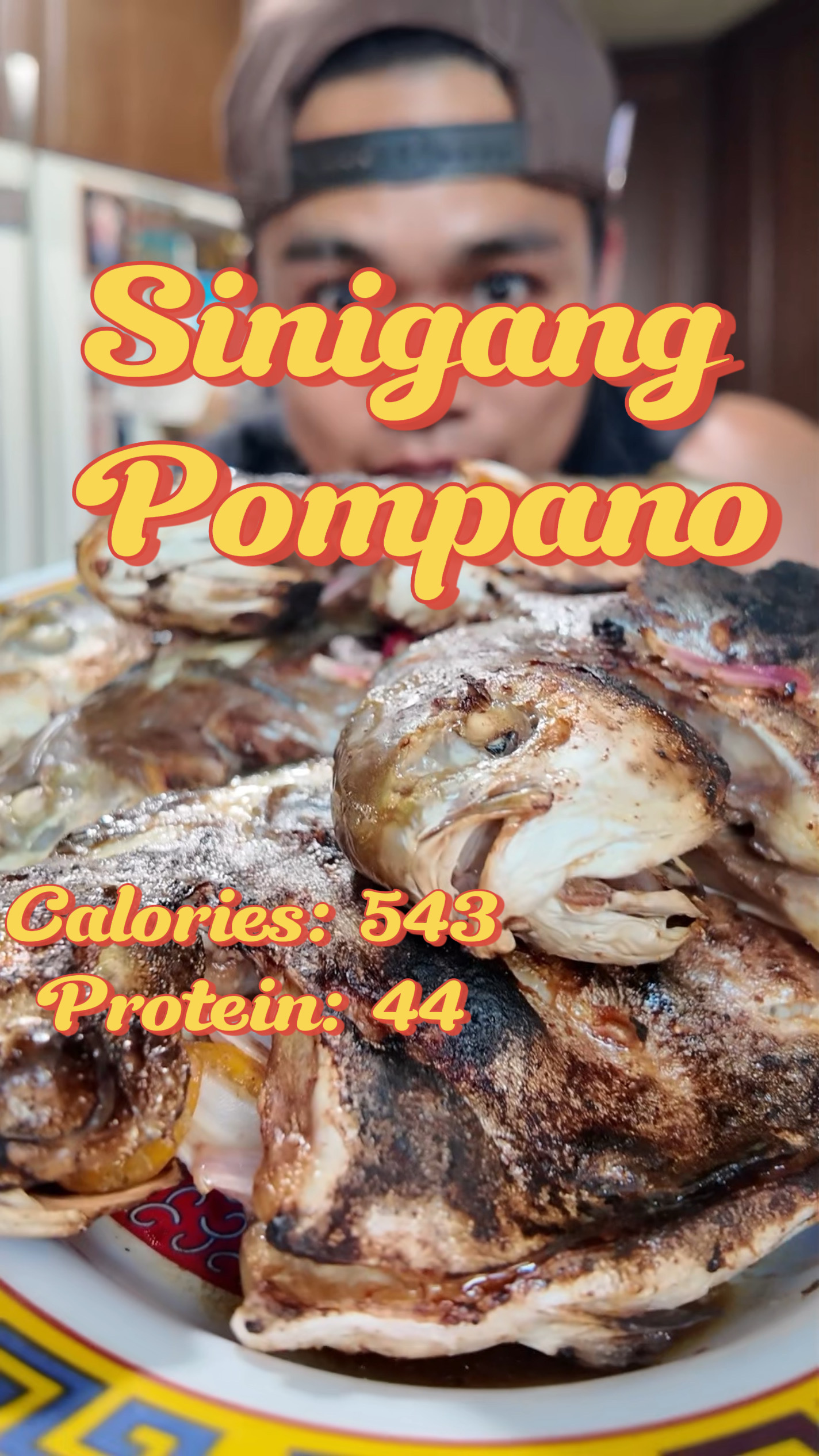
Bangus (milkfish) and other whole fish prepared sinigang-style bring their own umami from the bones and skin during simmering — the Sinigang Pompano approach on this site shows how a whole-fish sinigang builds a deeply savory broth using just tamarind, patis, and the fish itself, no starch involved (sinigang pompano).
For a running list of dishes built the same way — high protein per serving, umami from technique rather than starch — the high protein Filipino recipes collection is where I send new clients in their first week.
Using the Maillard Reaction Instead of Sugar
A lot of Filipino recipes — sisig, tapa, some adobo variations — use brown sugar or banana ketchup to create a sweet-savory balance. That's a real flavor need, but sugar isn't the only way to meet it, and it's often the first thing to cut when carbs matter.
The Maillard reaction — the browning that happens when protein hits a hot, dry pan — produces its own complex, slightly sweet, deeply savory flavor compounds without a gram of sugar. Searing pork belly or chicken skin hard before saucing it, rather than simmering everything together from raw, builds a flavor base that reduces how much sugar you need to round the dish out.
Practical technique: pat your protein fully dry, get the pan or grill genuinely hot (you want an audible sear, not a gentle sizzle), and don't move the meat for the first 90 seconds to 2 minutes per side. That crust is doing flavor work a sauce can't replicate.
Where a recipe still calls for sweetness, cut the sugar to 1–2 teaspoons per batch instead of the 2–3 tablespoons some traditional recipes use, and lean on kalamansi juice for brightness instead. Citrus acid reads as "balanced" to your palate the same way sugar does, at a fraction of the carb cost — a whole kalamansi has under 1g of carbs.
Vegetables That Carry Their Own Umami Load
Some vegetables are naturally high in glutamates and can do real flavor work in a low-carb Filipino dish instead of just being filler. Tomatoes, mushrooms, and dried shrimp (hibi or dilis) are the three I use most.
Tomatoes, especially cooked down, concentrate their glutamate content significantly — this is part of why sinigang na baboy with tomato has such a rounded flavor even before you add tamarind. Adding a diced tomato or two to a low-carb version of ginataang gulay or a vegetable-forward sinigang adds real savoriness for under 5g of carbs per medium tomato.
Mushrooms — shiitake especially, but even button mushrooms — are one of the highest plant sources of free glutamate available. Adding sliced mushrooms to a low-carb bulalo or a mushroom-adobo hybrid brings meat-like depth while keeping the dish vegetable-heavy and the carb count low, typically 2–3g of carbs per half-cup.
Dried shrimp and dilis (anchovies), common in Ilocano and Visayan cooking, are concentrated umami bombs — a tablespoon of ground dilis adds savoriness similar to a fish sauce reduction without adding liquid volume, useful when you're trying to keep a sauce thick without cornstarch.
If you're building weight-loss meals around these principles specifically, the Filipino recipes for weight loss page groups dishes by this exact vegetable-forward, umami-driven approach.
A Sample Day That Actually Hits the Numbers
Theory is fine, but here's what this looks like on a plate for someone around 150–160lbs targeting fat loss. Breakfast: 3 whole eggs scrambled with tomato and a splash of patis, plus 2oz of tinapa (smoked fish) flaked in — about 30g protein, 6g carbs. Lunch: 5oz grilled chicken adobo thigh (skin removed, sauce reduced) over toasted cauliflower rice with steamed cabbage — about 38g protein, 12g carbs. Dinner: bangus sinigang, whole fish, tamarind-based broth, mustasa greens, no rice — about 32g protein, 9g carbs.
That's roughly 100g of protein and 27g of carbs across three meals before snacks, landing a 150lb person close to the 0.7–1g per pound protein target from the ISSN protein position stand, while keeping carbs low enough for most fat loss protocols. Add a snack of 1 cup Greek yogurt or a protein shake and you're at 130g+ protein for the day.
The point isn't to hit these exact numbers every day — it's that Filipino ulam gets you there without feeling like diet food, because the seasoning is doing real work instead of being an afterthought sprinkled on bland protein.
Common Mistakes That Kill the Flavor Balance
The most common error is draining or skimming all the fat from adobo or sisig sauce to cut calories. Fat carries flavor compounds and mouthfeel — strip it completely and the dish tastes thin no matter how much salt you add back. Better move: skim half the fat, not all of it, and add acid (vinegar or kalamansi) to compensate for the richness you removed.
Second mistake: over-salting to compensate for missing rice. When the rice buffer disappears, people instinctively add more patis or soy sauce to keep the dish interesting, which just makes it salty rather than savory. Add acid and aromatics (garlic, ginger, onion cooked down properly) before you add more salt.
Third: treating the low-carb swap as flavorless by default and giving up on seasoning it. I've watched clients steam cauliflower rice plain, eat it once, and decide low-carb Filipino food "doesn't work." It doesn't work if you don't season the substitute — that's not a cuisine problem, that's a technique gap.
Fourth: skipping protein at breakfast and loading it all at dinner. Spreading protein across three meals, roughly 30–40g each, keeps hunger flatter through the day and reduces the evening snacking that undoes a otherwise well-run deficit.
Where Training Fits Into the Flavor Equation
Diet adherence and training adherence are the same muscle. If your meals are satisfying, you show up to your sessions with more consistent energy and fewer days where you're running on 1,200 kcal of frustration. This is a big part of why I build nutrition and training plans together rather than handing clients a macro sheet and a workout PDF separately.
Clients I coach in person around San Diego — from Mira Mesa to Pacific Beach — get the same message: strength training 3–4x a week creates the demand for protein, and umami-forward Filipino meals make hitting that protein target something you look forward to instead of grind through. A 45-minute lower body session burns roughly 300–400 kcal depending on intensity and bodyweight, which gives you real room to build a satisfying plate without stalling fat loss.
The training side doesn't need to be complicated to work alongside this kind of eating — three full-body strength sessions a week, progressive overload on 5–6 core lifts, and enough recovery between sessions is enough to preserve lean mass while you're in a deficit.
Your Next Step This Week
Pick one dish you already cook — adobo, sinigang, sisig — and make it once without rice, using cauliflower rice or steamed cabbage as the base instead. Before you serve it, taste the vegetable substitute on its own and season it directly with a splash of the same vinegar or patis in the dish. Don't just pour sauce over a bland base. Track how full you feel two hours later compared to the rice version. That single swap, done correctly, is the whole skill — and it's the difference between a low-carb week you can repeat and one you quit by Thursday.
Does eating low-carb Filipino food actually help with weight loss?
Yes, but the mechanism is calorie and carb reduction from rice, not some special property of the cuisine. Filipino ulam dishes like adobo, sinigang, and sisig are already protein-forward. Cutting the rice portion and keeping the ulam is usually enough to create a 300–500 calorie deficit without changing the recipes.
What gives Filipino food its umami flavor?
Fermented and fish-based condiments — patis (fish sauce), bagoong (fermented shrimp or fish paste), toyo (soy sauce) — are loaded with free glutamates. Combined with the natural inosinates in pork, chicken, and seafood, these create a strong umami base that doesn't rely on sugar or starch.
Can I still get umami flavor without rice?
Yes. Rice contributes almost no umami itself — it's a neutral carrier. The umami comes from the ulam's sauce and seasoning. Swap rice for cauliflower rice, steamed cabbage, or shirataki noodles and the dish tastes just as savory because the flavor source never changed.
How much protein do I need per day for fat loss on a Filipino diet?
Target 0.7 to 1 gram of protein per pound of bodyweight, per the International Society of Sports Nutrition's position stand on protein intake. For a 150-pound adult, that's 105–150g daily, which a chicken adobo or bangus-based meal plan hits easily since Filipino ulam is naturally protein-dense.
Is bagoong or patis too high in sodium for a weight loss diet?
A tablespoon of patis runs about 1,400–1,600mg of sodium, and bagoong is similar. That's high, but it's manageable if you use it as your primary seasoning and skip separate table salt, bouillon cubes, and processed sauces. Most healthy adults can handle up to 2,300mg/day per general dietary guidelines.
What's the biggest mistake people make cutting carbs from Filipino meals?
Cutting the rice but keeping the sauce sugar-heavy — many adobo and sisig recipes lean on brown sugar or banana ketchup for balance. The fix is to rebuild that sweet-savory balance with kalamansi, vinegar, and a smaller, deliberate sugar amount (1–2 tsp per batch) instead of a heavy pour.