Optimizing Filipino Meal Prep for Intermittent Fasting Success: A Guide to Scheduling and Food Planning
A client of mine, a nurse working 12-hour shifts in San Diego, told me she'd tried intermittent fasting three times and quit every time by day four. Not because she got hungry — because she kept defaulting back to the way her mom cooked: rice at every meal, protein as an afterthought, and no real plan for when to eat any of it. She wasn't failing at fasting. She was failing at scheduling food she'd never had to schedule before. That's the actual problem most Filipino-American home cooks run into when they try intermittent fasting — not the food itself, but the logistics of fitting a culture built on frequent, shared meals into a 6-10 hour eating window. The food is already on your side. Adobo, sinigang, grilled bangus, and even tocino are protein-forward by design. What's missing is a system for prepping and timing them so fasting doesn't turn into skipped meals and undereating.
Why Intermittent Fasting and Filipino Food Actually Pair Well
Intermittent fasting is just a scheduling method — you compress your eating into a window, usually 6-10 hours, and fast for the rest. It doesn't dictate what you eat, only when. That distinction matters because a lot of people assume fasting means switching to bland, Western "diet food." It doesn't. Filipino meals are structured around ulam (a protein-and-sauce dish) plus rice, which naturally gives you a high-protein anchor at every sitting. You're not fighting your food culture to make fasting work; you're just consolidating meals you already eat.
The traditional three-meals-plus-merienda pattern is the part that needs adjusting, not the dishes themselves. If you currently eat breakfast at 7am, lunch at noon, merienda at 3pm, and dinner at 7pm, a 16:8 window built around lunch and dinner only asks you to drop breakfast and the afternoon snack — the two meals that are usually the least protein-dense anyway (coffee and pandesan, or crackers).
I've coached over 40 clients through this transition, and the ones who stick with it are the ones who reframe fasting as "eat two real Filipino meals instead of four small ones," not as restriction. A 2017 position stand from the International Society of Sports Nutrition found meal frequency itself has minimal effect on fat loss or muscle retention when total protein and calories are matched — so consolidating meals costs you nothing metabolically, as long as you hit your numbers in the window you have.
Choosing an Eating Window That Fits a Filipino Household
Most people overthink window selection. You have three realistic options: 16:8 (eat within 8 hours), 18:6 (eat within 6 hours), and OMAD (one meal a day). I put almost everyone on 16:8 to start, because it maps directly onto lunch and dinner — the two meals Filipino households already build around.
A workable 16:8 schedule looks like this: first meal at 12:00-1:00pm, second meal at 7:00-8:00pm, water and black coffee outside that window. If your work schedule runs earlier, shift the whole window back — 11am to 7pm works just as well. The window itself is flexible; what's not flexible is consistency. Moving your window by more than 2 hours day to day makes it harder to plan meals and easier to undereat protein.
18:6 is a reasonable step up once 16:8 feels easy, usually after 3-4 weeks. It compresses things further — say, 1pm to 7pm — which works well if you're not a breakfast person to begin with. OMAD, on the other hand, I only recommend for people who've already been doing 16:8 or 18:6 for a couple of months, because hitting 130-160g of protein in one sitting is genuinely hard and often requires a protein shake alongside the meal to close the gap.
Whichever window you pick, anchor it to your existing family meal times. If dinner with your family is non-negotiable at 7pm, build the window around that rather than fighting it — fasting should adapt to your life, not the other way around.
The Filipino Pantry: What to Stock for Fasting-Friendly Meals
Your pantry and fridge need to support two dense meals instead of four smaller ones, which means shifting toward proteins and vegetables that hold up in the fridge for 3-4 days without turning to mush or losing flavor. Here's what I keep stocked for clients running this plan:
Buy protein in bulk on a weekly basis — I tell clients to buy 3-4 lbs of a lean protein source at a time, which at San Diego grocery prices runs about $18-24 depending on the cut, and prep it in one session rather than cooking daily. This is the single biggest time-saver in the entire system.
Protein Math: Hitting Your Numbers in a Shorter Window
This is where most people quietly fail. When you go from four meals to two, your protein-per-meal requirement roughly doubles, and if you don't plan for that, you end up under target by 30-40g a day without noticing. Here's the math I walk every client through.
Target range for body recomposition is 0.8-1g of protein per pound of bodyweight. A 160lb person aiming for the middle of that range needs about 144g per day. Split across two meals in a 16:8 window, that's 72g per meal — roughly 9-10oz of cooked bangus, chicken, or lean pork, or a combination like 6oz of adobo plus 2 eggs.
Here's a sample breakdown for that 160lb target of 144g protein and roughly 2,000 kcal for a moderate fat-loss deficit:
Notice the shake isn't optional filler — with only two meals, most people cannot physically eat enough whole food to close a 144g target without either oversized portions or a supplemental source. That's not a failure of Filipino food; it's just meal-frequency math.
Rice, Sauces, and Portion Control Without Losing the Culture
Nobody sticks with a plan that cuts rice entirely, and you don't need to. A level cup of cooked white rice runs about 205 kcal and 45g of carbs — the issue isn't rice, it's that most home servings run 1.5-2 cups without anyone measuring. Buy a $3 measuring cup, keep it in the rice cooker, and portion by volume every single time you prep. That alone fixes 70% of the calorie overage I see in new clients.
Sauces are the other lever. Traditional adobo sauce, built on soy, vinegar, garlic, and sugar, is low-calorie by nature — the calories come from the oil used to sauté and the fat left on the meat, not the sauce itself. Trimming visible fat off pork before cooking cuts 100-150 kcal per serving without changing the flavor profile, since the sauce carries the dish.
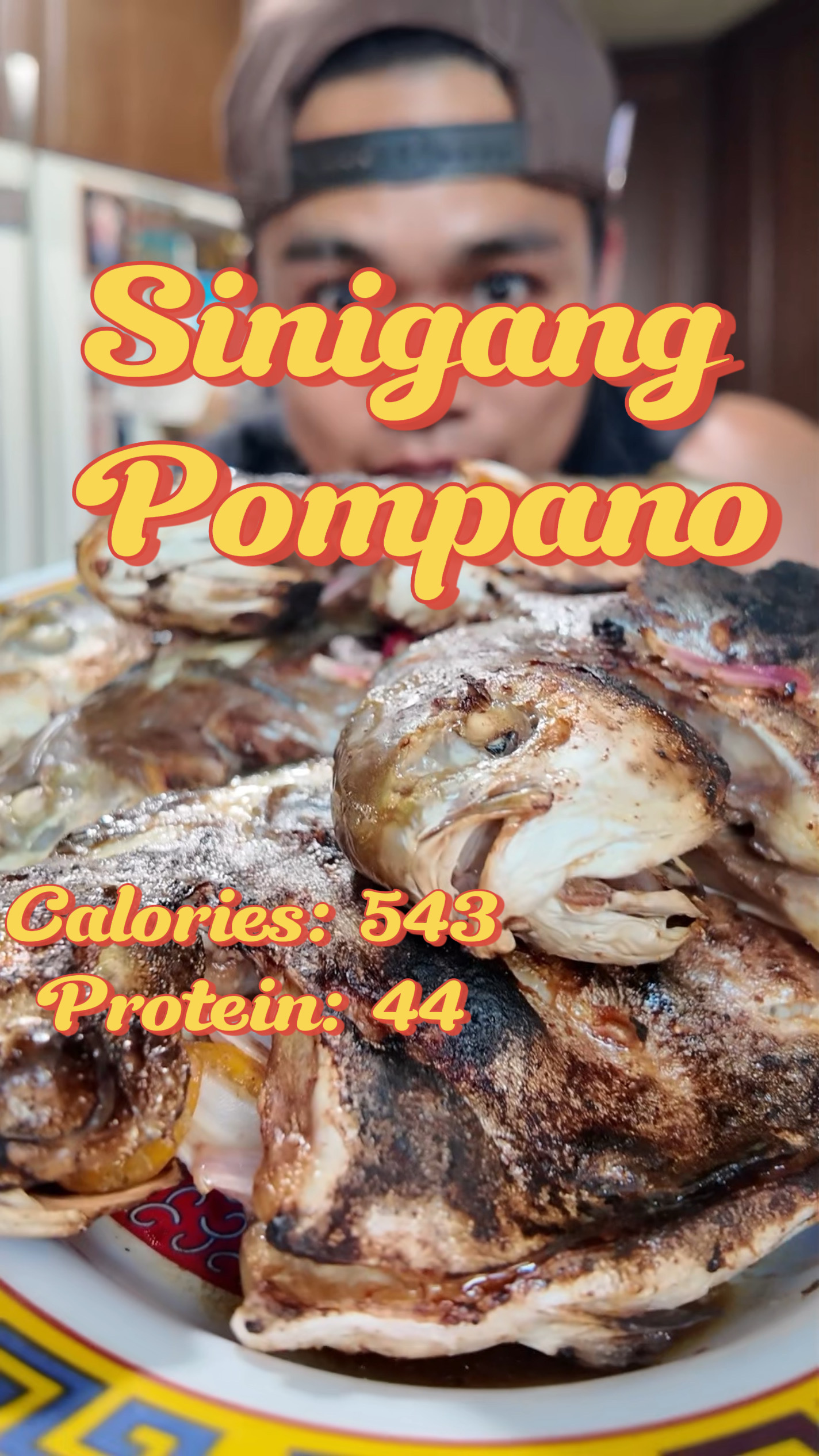
For sinigang, resist the urge to skim less broth into your bowl — the vegetable-to-broth ratio is what makes it one of the most efficient dishes in Filipino cooking for fasting: high volume, low calorie density, and it fills you up fast in a compressed eating window. For tocino, look for versions made with leaner cuts or trim the fat cap before cooking; the cure does the flavor work, not the fat.
Keep sauce and rice prepped in separate containers from protein. This lets you build each meal to hit protein first, then add rice and sauce to fill remaining calories — critical when every gram matters more because you have fewer meals to work with.
A Sample Weekly Meal Prep Schedule
Here's the actual schedule I give clients starting out, built around a Sunday prep session and a 16:8 window (12:30pm-8:30pm):
This gives you 10-12 fully prepped meals from roughly 2.5 hours of active cooking time per week. The Thursday refresh is the step people skip and then wonder why they're eating fast food by Friday — build it into your calendar the same way you'd book a training session.
Common Mistakes Filipino Beginners Make With Fasting
The most common mistake is front-loading vegetables and rice at the first meal and running out of appetite before protein catches up. If your first meal is mostly sinigang broth and rice with a small piece of fish, you might hit 25g of protein when you needed 70g, and by the time dinner rolls around you're both hungry and behind on your daily target with no way to catch up.
The second mistake is treating the fasting window as a free-for-all. Compressing your eating time doesn't cancel out a 1,200-calorie dinner of lechon kawali and three cups of rice — the deficit or surplus you're working toward still depends on total weekly calories, not just when you ate them.
The third mistake is inconsistent window timing tied to social eating. Filipino family gatherings run on their own schedule, and if you're shifting your eating window by 3-4 hours every weekend for a family lunch, you'll struggle to build the habit. My advice: keep weekdays strict and let weekends flex, but don't abandon the framework entirely — just shift meal 1 earlier or meal 2 later as needed rather than adding a third meal.
Last one: underestimating oil. A lot of Filipino cooking uses more oil than people account for — 2 tablespoons of cooking oil alone is about 240 kcal. If you're prepping in bulk, measure the oil you use per batch and divide it across servings rather than guessing.
Training Around Your Fasting Window
Clients ask constantly whether they should train fasted or fed. Both work. What matters more is what happens after. If you train in the last hour or two before your window opens — say, 11am-12pm training with a 12:30pm eating window — you're fine, since your first meal doubles as your post-workout meal.
If you train earlier, well outside your window, aim to get your first meal within 60-90 minutes of finishing, with at least 30-40g of protein in it. Research on time-restricted eating from Sutton and colleagues (2018, Cell Metabolism) found no meaningful drop in training capacity or strength output tied to fasted training windows, as long as total daily protein and calories were adequate — the fasted state itself isn't the limiting factor, inadequate total intake is.
For strength or hypertrophy work specifically, I still recommend lifting closer to your eating window when possible, simply because performance on heavy compound lifts tends to feel better with some food on board. If your schedule only allows fasted morning training, that's not a dealbreaker — just don't skip or delay the first meal afterward, since that's when the actual repair and protein synthesis work starts.
Hydration matters more than people expect during the fasted stretch — aim for at least 3-4 glasses of water before your window opens, since a lot of what people mistake for hunger during a fast is dehydration.
Tracking Progress Without Overcomplicating It
You don't need an app that logs every gram of garlic. Track three things weekly: bodyweight (same time, same conditions, 3x per week averaged), waist measurement at the navel, and whether you hit your protein target on at least 5 of 7 days. That's enough signal to know if the plan is working.
For fat loss, expect 0.5-1% of bodyweight per week as a realistic, sustainable rate — for a 160lb person, that's 0.8-1.6lb weekly. Faster than that and you're likely losing muscle along with fat, especially on a two-meal structure where protein timing is already tighter. If the scale hasn't moved in 2 weeks and your protein target is being hit consistently, drop your rice portion from 1 cup to 3/4 cup at one meal before touching anything else — that's a roughly 50 kcal cut per day, small enough to sustain, large enough to matter over a month.
For muscle gain inside a fasting structure, the same principle applies in reverse: if bodyweight is flat after 2-3 weeks with protein and training dialed in, add a full cup of rice at your second meal rather than adding a third meal that breaks your window.
Your Action Step This Week
Pick one 16:8 window — 12:30pm to 8:30pm is a reasonable default — and commit to it for the next 7 days, no exceptions on start and stop time. This weekend, run a 2-hour prep session: cook 3lbs of adobo, portion 8 cups of rice into 1-cup containers, and prep your sinigang vegetables without the broth. Weigh yourself Monday morning under the same conditions, then again next Sunday, and check whether you hit at least 70g of protein per meal on 5 of the 7 days. That's the whole test — not whether fasting "works" in the abstract, but whether your specific window and your specific prep session got you to your number. Adjust the window before you adjust the food; the food was never the problem.
What is the best intermittent fasting schedule for Filipino food?
16:8 works best for most people eating Filipino meals — you skip breakfast, eat lunch around 12-1pm, and close your window with dinner by 8pm. This lets you keep the traditional two-meal heavy structure (ulam-heavy lunch and dinner) without forcing an unfamiliar eating pattern.
Can I eat rice while doing intermittent fasting?
Yes. Rice is not the problem — portion is. A level cup of cooked white rice is about 205 kcal and 45g of carbs. During a fasting window, measure rice by the cup instead of eyeballing it, and prioritize filling your plate with protein first so rice becomes a side, not the main event.
How much protein do I need per meal if I'm only eating twice a day?
If your daily target is 0.8-1g of protein per pound of bodyweight, split it close to evenly across two meals. A 160-pound person aiming for 130g total needs roughly 60-65g per meal — about 8-9oz of cooked bangus, chicken, or lean pork per sitting.
Is it okay to work out fasted with a Filipino diet?
Yes, as long as your first meal after training lands within 60-90 minutes and includes at least 30-40g of protein. Research on time-restricted eating (Sutton et al., 2018, Cell Metabolism) shows training performance is largely unaffected by fasted states when total daily calories and protein are adequate.
What Filipino dishes are best for meal prep during a fasting window?
Adobo, sinigang na isda or baboy, grilled or steamed bangus, and tocino made with leaner cuts all hold up well for 3-4 days refrigerated and reheat without losing texture. Avoid prepping anything deep-fried more than a day ahead since it loses crispness and the calorie count becomes harder to estimate.
Will intermittent fasting slow down my metabolism if I still eat Filipino comfort food?
No single eating pattern slows metabolism on its own — total calories and protein intake over the week are what matter. Intermittent fasting is a scheduling tool, not a metabolic switch, and it works with any cuisine as long as the calorie math for fat loss or maintenance is accurate.