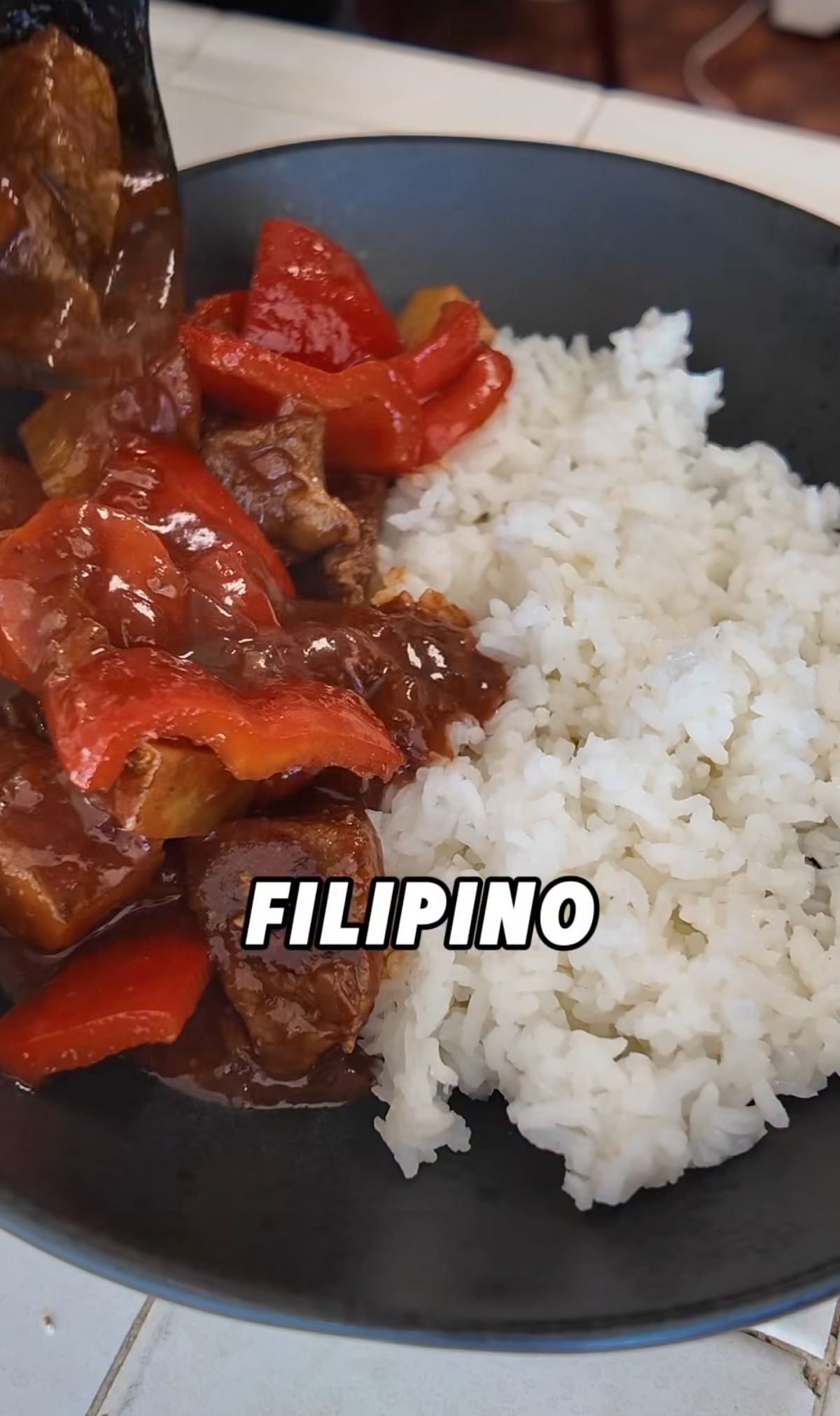
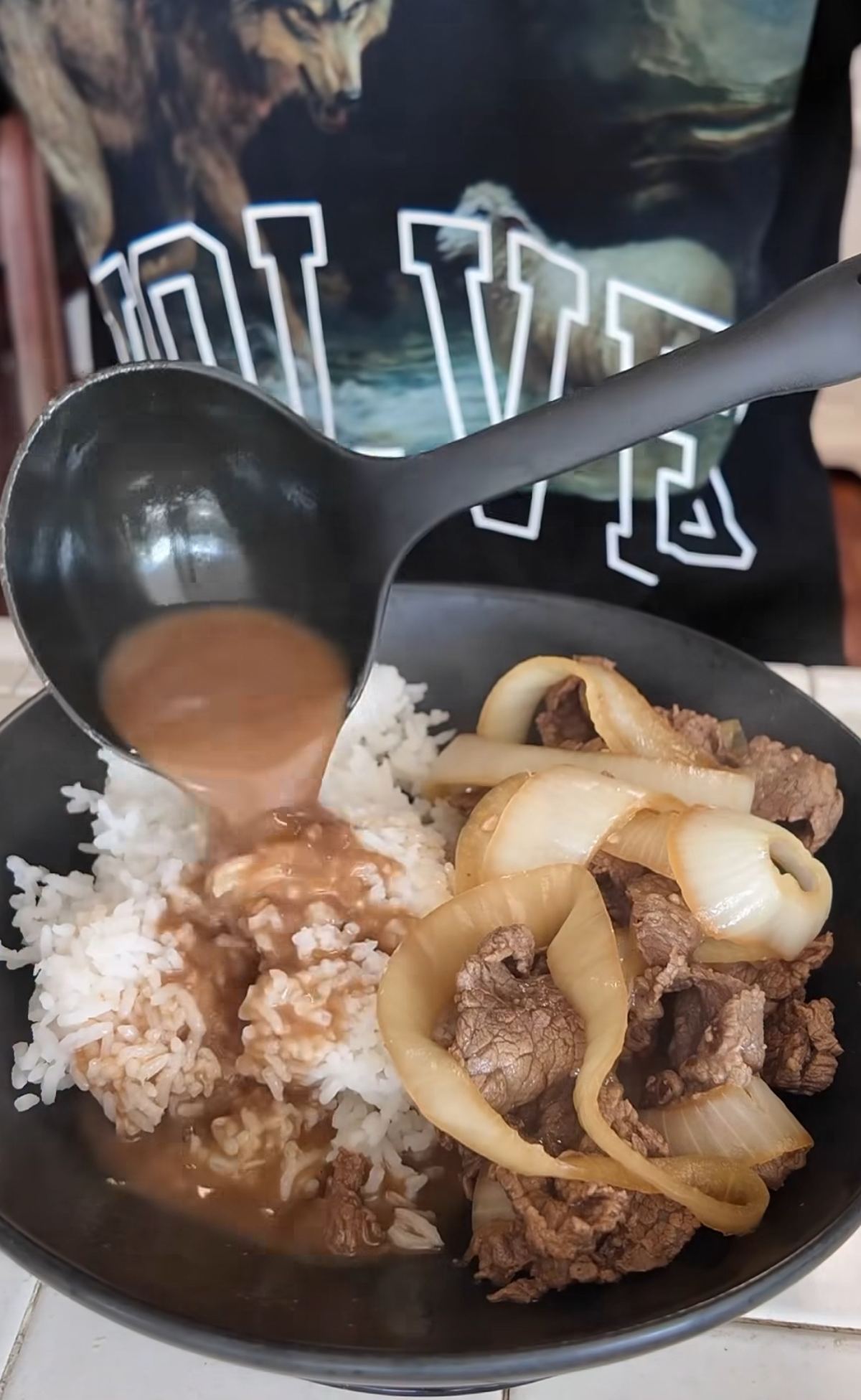
Adobo for Fat Loss: How to Adapt Your Favorite Filipino Dish for Weight Management
A client of mine, Marisol, sat across from me during her first consult and said, "I guess I have to stop eating adobo." She'd been told by a diet app that Filipino food was "too heavy" for fat loss, so she'd spent three months eating grilled chicken breast and steamed broccoli, hating every meal, and losing motivation faster than she was losing weight. We didn't take adobo off her plate. We changed how she built it. Six weeks later she was eating chicken adobo four nights a week and down 9 pounds.
Why Adobo Is Already Built for Fat Loss
Strip adobo down to its core and you get a lean protein braised in soy sauce, vinegar, garlic, bay leaf, and peppercorn. There's no cream, no cheese, no breading. Vinegar and soy sauce carry almost zero calories on their own — a tablespoon of vinegar is under 5 calories, and a tablespoon of low-sodium soy sauce runs about 10. The entire caloric load in adobo comes from two places: the cut of meat you choose and how much oil and sugar you add around it.
That's actually good news. It means you're not reinventing the dish to make it work for a calorie deficit — you're making two or three targeted swaps in a recipe that was already protein-forward before "macros" was a word anyone used. This is the same logic that applies across Filipino cooking more broadly: sinigang is a vegetable-heavy sour broth, bangus is a lean, omega-3 rich fish, and tocino is the one that actually needs the most rework because of its sugar-cured base. Adobo sits near the easiest end of that spectrum to adapt.
The Adobo Macro Breakdown: Traditional vs. Fat-Loss Version
Numbers make this concrete. Here's a side-by-side for a single 6oz cooked serving of chicken, based on USDA nutrient data for thigh and breast meat, plus a standard adobo marinade ratio.
That's a swing of 300-350 calories per plate, and the protein actually goes up in the fat-loss version because you're not paying a calorie tax on skin fat that doesn't add meaningful protein. Over a week of four adobo dinners, that's a 1,200-1,400 calorie difference — close to a third of a pound of fat loss from one recipe adjustment, before you change anything else about your diet.
Choosing the Right Cut: Thigh vs. Breast
Thigh meat is my default recommendation for adobo, fat loss goals included. Skinless thigh holds up better through a long braise, stays moist, and still comes in lean once the skin is gone — you're looking at roughly 220-240 calories and 38-40g of protein per 6oz cooked serving. The skin is where almost all the extra fat and calories live, not the meat itself, so removing it before you cook (or after braising, if you prefer flavor from the skin during the cook) does most of the work.
Breast meat saves you another 30-40 calories per serving and a little more fat, and it's the better choice if you're stacking a high-volume meal plan where every gram counts. The tradeoff is technique — breast dries out if you braise it as long as you would thigh. Pull it earlier, around the 20-25 minute mark instead of 35-40, and finish the sauce separately so the chicken doesn't sit in simmering liquid longer than it needs to.
Either way, you're working with a genuinely lean protein source. The International Society of Sports Nutrition's position stand on protein and exercise recommends 1.4-2.0g of protein per kilogram of bodyweight daily for people in a training program, which for a 160lb (73kg) person lands between 102-146g per day. One adobo serving on thigh meat covers roughly a third of that in a single sitting.
Sauce and Sugar: Where Adobo Quietly Adds Calories
The marinade is the second lever, and it's the one people overlook because it "doesn't feel like food." A standard adobo marinade for a 4-serving batch often calls for 2 tablespoons of brown sugar and a generous pour of cooking oil for the pre-fry step. Cut the sugar to 2 teaspoons — about a third of the original amount — and you save roughly 90 calories across the whole batch, or about 22 calories per serving. Not massive on its own, but it stacks with the other changes.
The bigger save is skipping the pre-fry. A lot of adobo recipes call for browning the chicken in oil before adding the braising liquid. That step can add 100-150 calories per serving depending on how much oil gets absorbed, and it doesn't meaningfully change the final flavor once everything simmers together for 30+ minutes. Simmer straight in the soy sauce, vinegar, garlic, and bay leaf from the start, and reduce the sauce at the end over higher heat if you want that concentrated, slightly caramelized flavor people associate with the fried version.
Rice Portioning Without Feeling Deprived
Rice is where a lot of well-intentioned fat-loss attempts fall apart, usually because people either cut it entirely (and quit the plan in two weeks) or don't measure it at all (and eat 2 cups without noticing). A cup of cooked white rice runs about 205 calories and 45g of carbs. Half a cup is 103 calories. Three-quarters of a cup — my usual recommendation alongside a protein-forward adobo serving — lands at about 154 calories and 34g of carbs.
That 3/4 cup portion is enough to actually feel like a meal next to a saucy protein, especially since adobo's sauce naturally coats the rice and adds perceived richness without adding real calories. If you're training that day, bump it to a full cup and adjust your other meals down slightly. If it's a rest day, 1/2 cup works fine since your carb needs are lower. The point isn't a rigid number — it's picking a portion on purpose instead of scooping from a rice cooker without thinking about it.
A Simple Weekly Adobo Plan for Body Recomposition
Here's how I'd actually structure this for someone like Marisol, cooking four adobo-based dinners a week as part of a body recomposition plan:
Across four dinners like this, you're looking at roughly 1,600-1,700 calories total for the week's adobo dinners with over 150g of protein contributed just from those meals — a meaningful chunk of a full week's protein target, built entirely around a dish most people were told to avoid.
Your Next Step
Cook your next batch of adobo with three changes: skinless thigh instead of skin-on, sugar cut to a third of what the recipe calls for, and no pre-fry step — just simmer from the start. Measure your rice at 3/4 cup instead of scooping freehand. Weigh your results after two weeks, not two days. Adobo isn't the obstacle to your fat-loss goal — the version you've been cooking it just hasn't been built for it yet.
Is chicken adobo good for weight loss?
Yes, when you control the cut of chicken, the amount of oil and sugar in the sauce, and your rice portion. A serving built on skinless thigh with a lighter sauce runs 480-520 calories with 40+ grams of protein, which fits easily into most fat-loss calorie targets.
How many calories are in a serving of chicken adobo?
Traditional skin-on adobo with a pre-fry step runs 350-450 calories for the chicken portion alone, before rice. A fat-loss adaptation using skinless thigh and less oil brings that down to roughly 250-300 calories for the same 6oz serving.
Should I use chicken breast or thigh for adobo when trying to lose fat?
Skinless thigh is the better default — it holds moisture through the braise and still comes in around 220-240 calories with 38-40g of protein per 6oz serving. Breast works too and saves another 30-40 calories, but it dries out faster if you're not careful with cook time.
How much rice should I eat with adobo if I'm trying to lose weight?
Start with 3/4 cup of cooked rice, which runs about 154 calories and 34g of carbs. That's enough to round out the meal without doubling your plate's calorie count, and you can adjust up or down based on your daily carb target and training day.
Does removing the sugar from adobo change the taste a lot?
Cutting the added sugar from 2 tablespoons to 2 teaspoons across a 4-serving batch is barely noticeable because the vinegar, soy sauce, and garlic still carry the dish. The sugar in traditional recipes rounds out sharpness, but it's not load-bearing for flavor.
How much protein does adobo provide for muscle gain or body recomposition?
A 6oz cooked serving of thigh-based adobo delivers 38-42g of protein. For a 160lb person targeting 0.7-1g of protein per pound of bodyweight (112-160g daily), one adobo serving covers roughly a quarter to a third of that target in a single meal.