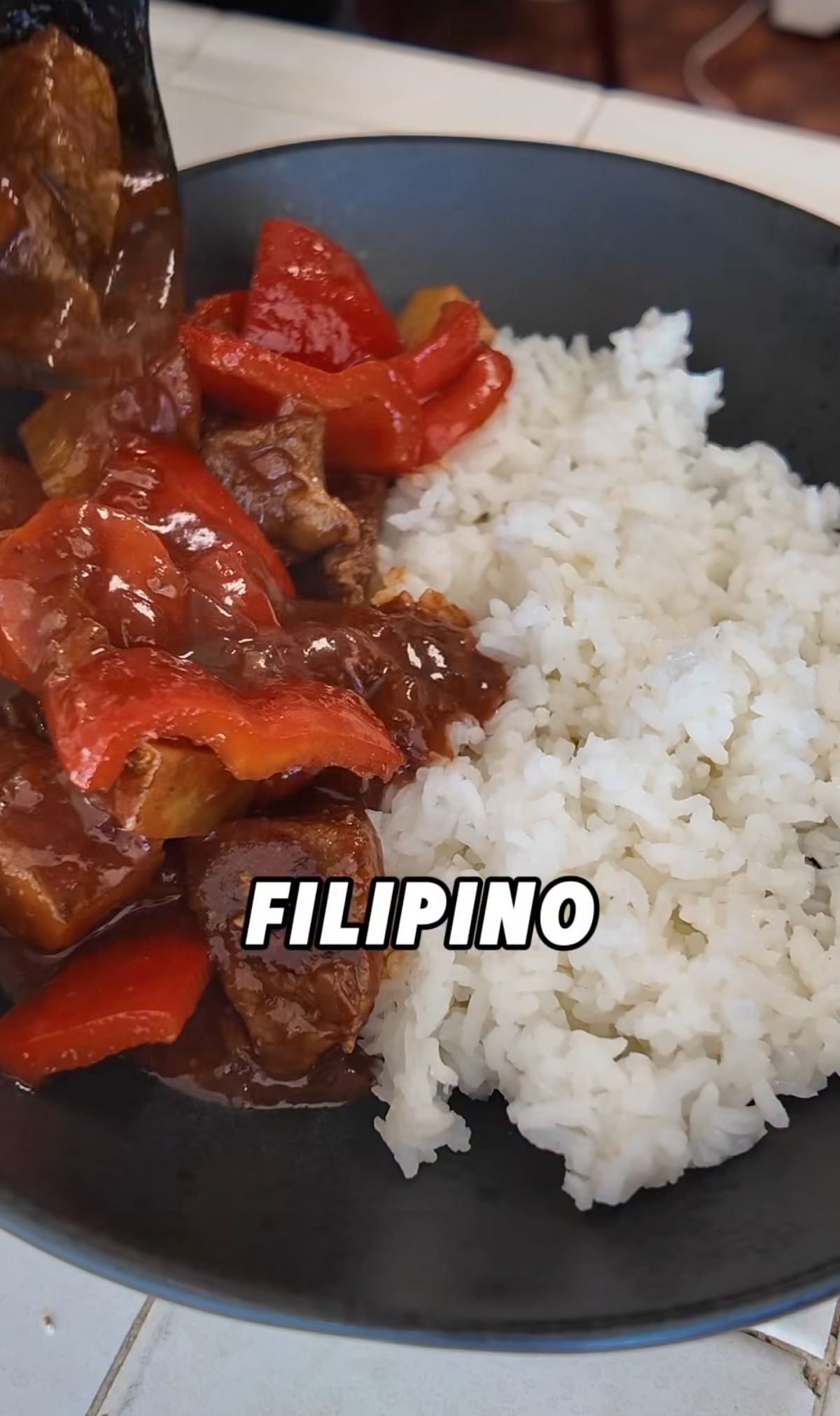
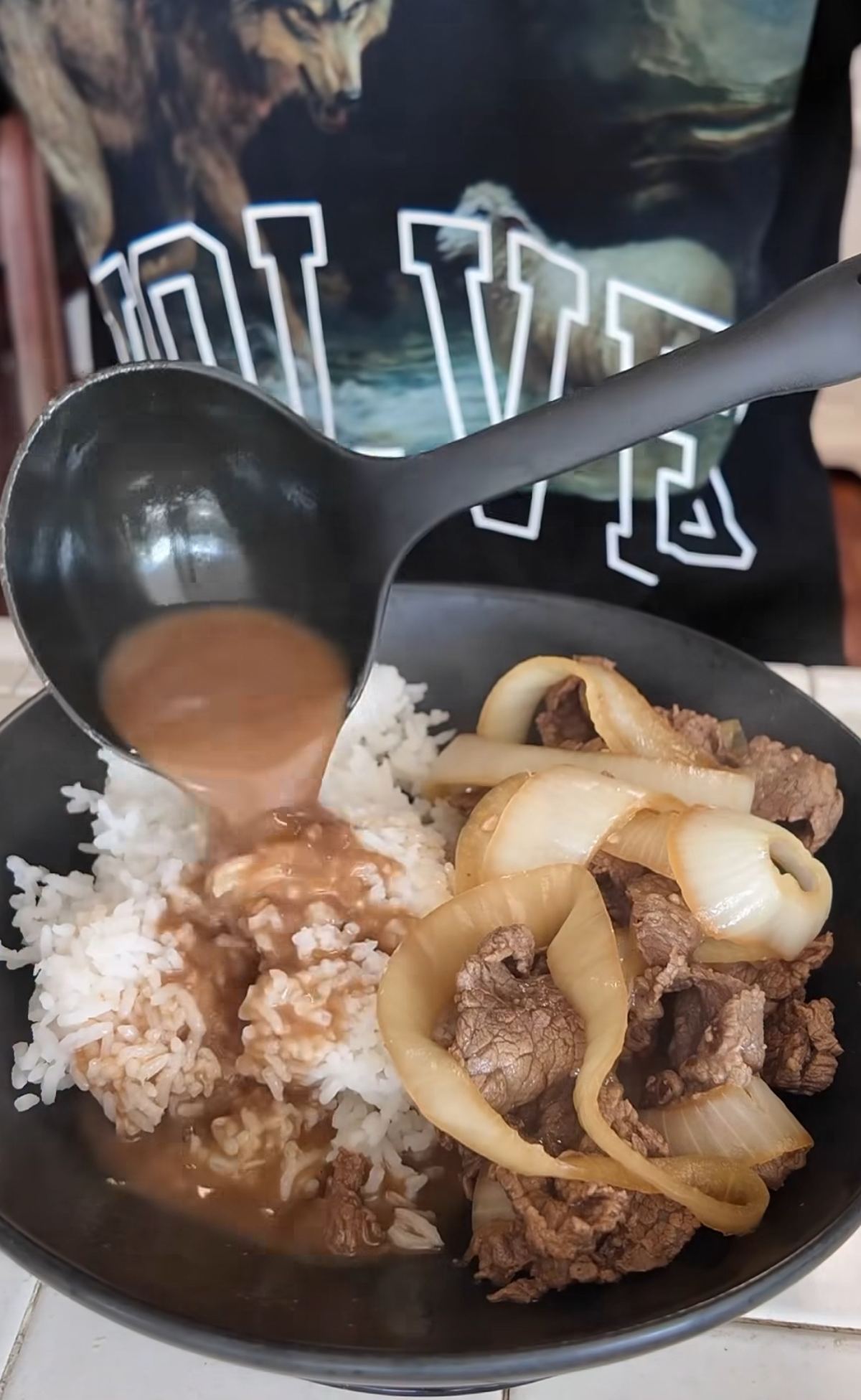
Filipino Meal Planning for Fat Loss: How to Balance Pinoy Flavors and Macros
A client of mine, an ICU nurse in San Diego working three 12-hour shifts a week, sat across from me and said her dietitian friend told her to "eat clean" for fat loss. To her, that meant cutting rice, skipping her mom's sinigang, and living on grilled chicken breast and broccoli. Three weeks in, she was hungry, irritated, and skipping family dinners to avoid the temptation. That's not a nutrition plan, that's a countdown to quitting. Filipino meal planning for fat loss doesn't require any of that — it requires portioning rice, picking leaner cuts, and knowing your numbers well enough to stop guessing.
The Filipino Plate Isn't the Enemy — Here's the Protein Math
Look at what's actually simmering in a Filipino kitchen: chicken or pork braised in vinegar and soy for adobo, fish and tamarind broth for sinigang, beef marinated and grilled for tapa, chicken stewed with ginger for tinola. These are protein-dense, slow-cooked dishes by tradition, not by accident. The idea that you need to trade adobo for a chicken breast and rice cake is a myth built by people who never priced out a Filipino grocery run.
Here's what a realistic serving actually delivers, using USDA reference values:
Notice the pattern: three of those four dishes clear 28-31 grams of protein per serving without any powder or bar. Tocino is the outlier because of the cure and the fat content, which is worth knowing rather than avoiding entirely. The lesson isn't to abandon Filipino food. It's to know which dishes are already doing the work for you and which ones need a smaller portion.
What Your Macros Actually Need to Look Like for Fat Loss
Filipino meal planning for fat loss starts with a number, not a food list: your daily calorie target. Fat loss requires a consistent deficit, and the research on this is not ambiguous — you need to eat less than you burn, and you need enough protein to hold onto muscle while you do it. The American College of Sports Medicine's position stand on nutrition and athletic performance and a widely cited review by Helms and colleagues in the Journal of the International Society of Sports Nutrition both point to roughly 0.8 to 1 gram of protein per pound of body weight during a cut as a reasonable target to preserve lean mass.
Take a real example. A 155-pound client with a moderately active job (on her feet most of a 12-hour shift) has an estimated maintenance intake around 2,200 calories a day. A 500-calorie daily deficit puts her at roughly 1,700 calories a day, which lines up with about a pound of fat loss per week — not aggressive, not stalling. Her targets break down like this:
That's not a restrictive number. It's two to three Filipino meals a day, measured instead of estimated. The protein target alone is met by two ulam servings; the carb budget is roughly two and a half cups of rice split across the day.
Building the Plate: Rice, Ulam, and Sabaw Portions That Work
The rice is where most people lose the plot, not because rice is bad, but because nobody measures it. One level cup of cooked white rice runs about 205 calories and 45 grams of carbohydrate — that's data from USDA FoodData Central, not a guess. A heaping restaurant-style cup can run closer to 1.5 measured cups, which quietly adds another 100 calories you didn't account for.
The other lever is oil. A tablespoon of cooking oil is about 120 calories with zero protein to show for it. Fried lumpia, crispy pata, and lechon kawali aren't off-limits, but they're not everyday food if fat loss is the goal, because the oil stacks calories without moving your protein number. Sabaw-based dishes work in your favor here — sinigang, tinola, and nilaga get their volume from broth and vegetables, so you're eating more food for fewer calories per bite.
Practical swaps that keep the flavor and change the math:
A Real Sample Day: 1,700 Calories, Still Filipino
Here's what that 1,700-calorie target from earlier actually looks like on a plate, using the same client's day:
Add it up and you land close to 1,700 calories, about 155 grams of protein, and roughly 145 grams of carbs — the same targets from the macro breakdown above. Nothing on that list requires a specialty ingredient or a supplement shop run beyond the optional whey scoop, and every dish is one you'd recognize from a regular Filipino kitchen.
Fiestas, Lechon, and Family Gatherings Without Starting Over Monday
The clients who struggle most aren't the ones who eat lechon at a fiesta. They're the ones who starve themselves the day before to "save up" calories, show up ravenous, eat past comfortable fullness, then feel like the whole week is ruined and abandon the plan entirely. That pattern does more damage than the fiesta itself ever could.
The better approach: eat normally the day of and the day before. At the gathering, build one full plate — protein first (inihaw, lechon kawali in a reasonable portion, grilled fish), vegetables second, rice third. Skip the seconds on rice specifically, not on the meat. Then go back to your regular plan at the next meal. One high-calorie day does not undo a week of consistent eating, but a week of restriction followed by a blowout absolutely can.
This is also where tracking helps more than willpower. If you know your weekly average lands around your target even with one fiesta day mixed in, you don't need to feel guilty about the lechon. The math already accounted for it.
Your Move This Week
Skip the overhaul. For the next seven days, keep eating the Filipino food you already eat, but do two things: measure your rice with an actual cup instead of estimating, and pick one meal a day where you swap a skin-on or fried ulam for a grilled, steamed, or braised version. Write down your protein grams for just three of those days. That's it. Most people find they're already close to their protein target and the rice cup alone accounts for most of their calorie overshoot — fix that first before touching anything else.
Can you lose fat eating Filipino food every day?
Yes. Filipino cooking is built around braised or grilled meat and fish, which are naturally high in protein. Fat loss comes down to a calorie deficit and adequate protein — you get there by measuring rice portions and reducing added oil, not by replacing adobo with a salad.
How much rice can I eat and still lose weight?
One level cup of cooked white rice is about 205 calories and 45 grams of carbohydrate. Most people cutting for fat loss do well with 1 to 1.5 cups per meal, two to three times a day, adjusted against their total daily calorie target.
What's the highest protein Filipino ulam?
Lean cuts prepared without heavy frying score highest: skinless chicken adobo, bangus (milkfish) in sinigang or grilled, beef tapa from sirloin, and tinolang manok. A 5-ounce serving of any of these typically delivers 28 to 35 grams of protein.
Is rice bad for fat loss?
No. Rice is a carbohydrate source, not the reason fat loss stalls. Total daily calories and protein intake drive the outcome. Rice becomes a problem only when portions go unmeasured and stack up across three or four meals a day.
How do I handle fiestas and family dinners while trying to lose fat?
Don't skip meals beforehand to 'save calories' — it backfires into overeating. Instead, build one full plate with protein first (lechon kawali in moderation, inihaw, or lumpiang shanghai), fill the rest with vegetables, and go back to your normal plan at the next meal, not the next week.
How much protein do I actually need to lose fat and keep muscle?
A commonly cited range from sports nutrition research is 0.8 to 1 gram of protein per pound of body weight during a calorie deficit, which helps preserve lean mass while you lose fat. For a 155-pound person, that's about 125 to 155 grams of protein a day.