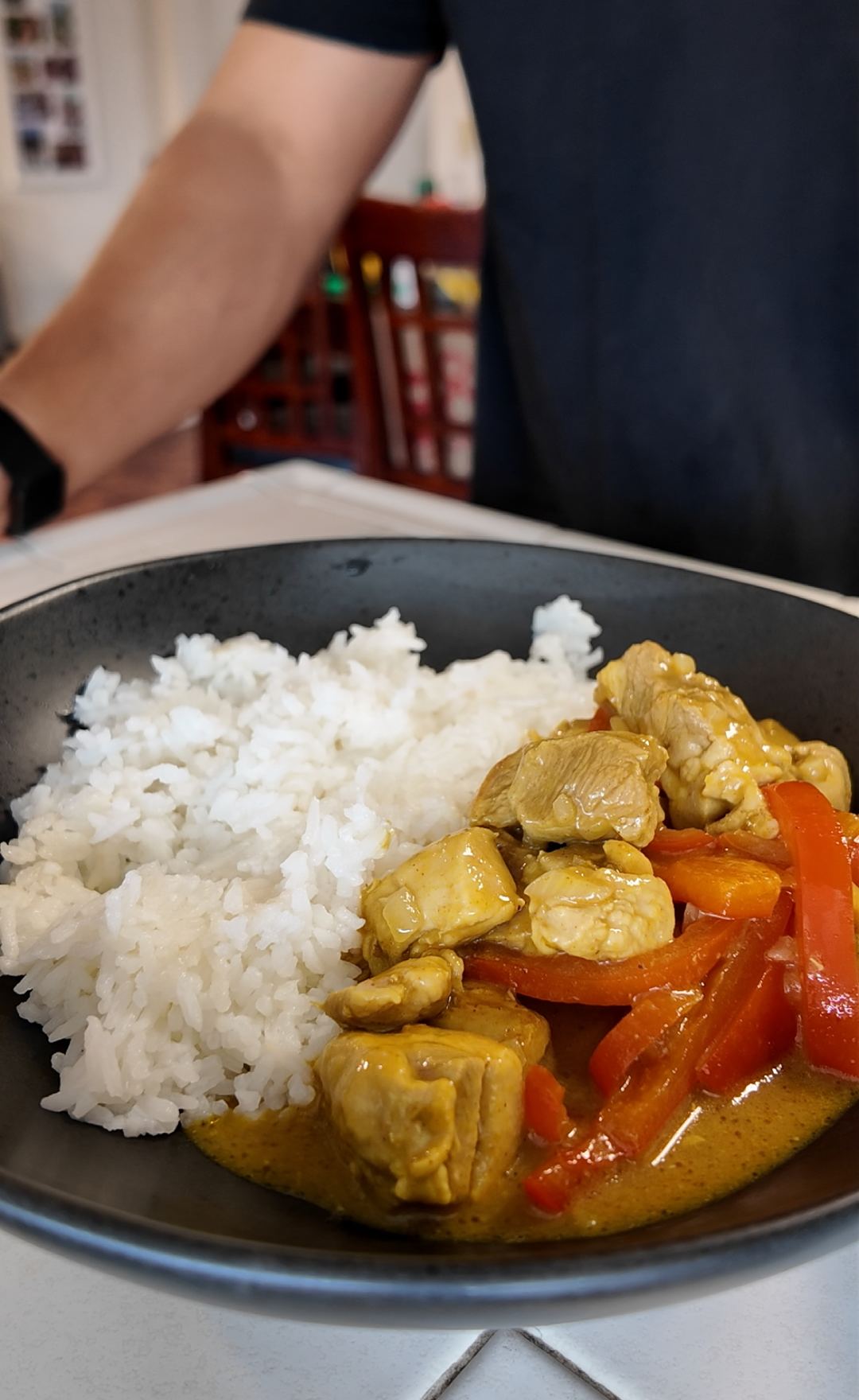
Protein Sources in Filipino Cooking: Pork, Chicken, and Fish — What to Prioritize for Muscle
You're eating adobo three times a week, rice at every meal, and wondering why the number on the scale isn't moving. Here's what I see when clients walk into my practice with that exact situation: the protein is there — it's just hiding behind fat and carbs that crowd it out. The pork belly in your adobo has maybe 9 grams of protein per 100 grams. Swap to chicken and you're at 26. That gap compounds over seven days, and over seven months it's the difference between a body that changed and one that didn't.
Why Filipino Cooking Is Already Built for Protein
Before ranking pork, chicken, and fish, it helps to set a baseline. The American College of Sports Medicine recommends 1.2–2.0 grams of protein per kilogram of body weight for active adults focused on gaining muscle — roughly 0.55–0.9 grams per pound. For a 160-pound Filipino-American doing consistent resistance training, that's 88–145 grams of protein per day. That's achievable in three meals if you're deliberate about your ulam.
What makes traditional Filipino cooking efficient here is the braise. Sinigang, nilaga, tinola — these are protein delivery systems. A large bowl of chicken tinola with two skin-removed thighs delivers 35–40 grams of protein from the meat alone, plus ginger-broth volume that keeps you full without stacking extra calories. The problem is rarely the dish. It's what cut went into the pot and how much rice went beside it.
Portion control in Filipino culture has traditionally meant managing rice, not protein. That's actually useful for fitness goals. If your ulam is already protein-dense, the main lever you're pulling is rice quantity. One cup of cooked white rice is about 200 calories and 40 grams of carbs. Two cups is 400 calories. That 200-calorie gap, replicated at two meals a day, is the difference between a caloric deficit and a surplus across the course of a week.
Protein Sources in Filipino Cooking: The Real Numbers
Here are approximate values per 100 grams cooked, based on data from the USDA FoodData Central database. Actual numbers vary by cooking method and specific cut, but these are reliable baselines:
The pattern is unmistakable: the leaner the cut, the more protein per calorie. Filipino pantry staples — bangus, sardines, tilapia, chicken thigh — compare favorably against anything in a standard meal prep spread. You don't need expensive imported proteins to hit your numbers.
Pork: What to Use and What to Save for Fiestas
Pork's bad reputation in fitness circles belongs almost entirely to the fatty cuts, not the animal. Pork loin and tenderloin are lean proteins that rival chicken breast in protein density. If you're braising pork loin in your adobo instead of pork belly, you're cooking a genuinely high-protein meal. The dish looks identical in the pot. The macros are completely different.
Consider the math: replace 200 grams of pork belly in a weekly adobo batch with 200 grams of pork loin. You go from roughly 20 grams of protein and 74 grams of fat to 52 grams of protein and 10 grams of fat. That's not a minor tweak — it's a fundamentally different macro profile, even though the flavor stays recognizably the same. The vinegar, garlic, soy sauce, and bay leaf are doing the work. The cut is just the vehicle.
Tocino deserves its own conversation. Traditional sweet-cured pork uses shoulder or belly marinated in sugar, salt, and annatto. A 3-ounce serving from commercial brands delivers about 15–18 grams of protein, but it also carries significant sodium and added sugar. Make it at home using pork loin and cut the brown sugar by half — you add 8–10 more grams of protein per serving compared to belly-based versions and bring the overall calorie count down without losing the caramelized crust that makes tocino worth eating.
Pork belly and lechon cuts are not forbidden. They're celebration food, and Filipino culture has that exactly right. The issue is treating them as your daily protein source. Eat lechon at a fiesta. Don't pack liempo for lunch four days a week and expect to make progress toward muscle gain.
Chicken: The Workhorse of the Filipino Fitness Kitchen
Chicken breast is the technical winner on protein density at 31 grams per 100 grams cooked. In Filipino cooking, though, it dries out in longer braises. Thighs are more forgiving in tinola, adobo, and arroz caldo — and with skin removed, the macro gap is smaller than most people expect. Skin-on thigh runs about 15–16 grams of fat per 100 grams. Remove the skin before eating and you're at 10 grams. That's a meaningful reduction that costs you nothing but one extra step.
Chicken inasal deserves specific attention. Grilled and marinated in calamansi and annatto, it's one of the most protein-efficient meals in Filipino cuisine. A 150-gram piece provides roughly 40 grams of protein at around 250–280 calories. The trouble in most inasal restaurants is the automatic garlic rice refill. Order one cup and stop. You already have a high-protein meal well under 600 calories — adding a second rice serving turns it into a caloric surplus for most people.
Chicken arroz caldo is underrated for fitness purposes. A pot made with chicken breast, ginger, fish sauce, and garlic yields four to five servings, each with 25–30 grams of protein from the chicken alone, plus the satiety of rice congee. It reheats well, it fills you up, and it's exactly what you want after a hard training session when your appetite is suppressed but your muscles need fuel.
Tinola remains the benchmark. A large bowl built around two skin-removed thighs in ginger broth with green papaya or chayote delivers 35–40 grams of protein with almost no added fat. It's also low enough in caloric density that genuinely overeating it is difficult. For anyone in a fat-loss phase, that combination — high protein, high volume, low calorie density — is what you want anchoring the meal.
Fish and Seafood: The Protein Source Most Filipino-Americans Under-Eat
Bangus is the most culturally embedded fish in Filipino cooking, and it earns its place nutritionally. A 100-gram serving of grilled bangus provides approximately 20–22 grams of protein. Bangus belly — the tiyan ng bangus — is fattier, but the fats are predominantly unsaturated and include omega-3 fatty acids, compounds that research in sports nutrition has associated with improvements in muscle protein synthesis rates and reduced post-training inflammation. Eating the belly isn't a concession to flavor. It's a nutritional bonus.
Tilapia is the leaner, more affordable alternative at 26 grams of protein per 100 grams and only 3 grams of fat. A one-pound tilapia fillet from most Filipino grocery stores in the US runs $3–5. That's roughly 120 grams of protein for under $5 total. Steamed with ginger, dropped into sinigang base, or pan-fried with garlic — the preparation doesn't diminish the protein content. On a cost-per-gram-of-protein basis, it beats almost everything else in the store.
Canned sardines in tomato sauce get dismissed because they aren't aspirational. That's a mistake. A single 100-gram can provides 20–22 grams of protein plus calcium from the soft, edible bones. Sardinas on rice with a vegetable side is a complete meal under 400 calories. If you're spending $2 and getting 20-plus grams of protein with five minutes of preparation, that's a better return than most fitness-branded food products marketed to you at ten times the price.
Shrimp and squid work well as protein boosters in pancit, vegetable stir-fries, and guisado. They are not practical as a sole protein source by volume — you'd need to eat a substantial quantity of shrimp to approach 40 grams of protein — but they raise the protein content of otherwise carb-heavy dishes without adding significant calories or fat to the overall meal.
How to Distribute Your Protein Across the Day
Spreading protein across three to four meals produces better muscle protein synthesis outcomes than concentrating most of it at dinner. Sports nutrition research consistently supports this: muscle protein synthesis has a practical ceiling per feeding, and eating 150 grams of protein at one meal does not compensate for a low-protein morning. You need consistent delivery across the day, not one large deposit.
For a 155–165 pound person targeting muscle gain, aim for 30–40 grams of protein per meal. Here is what that looks like mapped onto a realistic Filipino food day:
Total for the day: 125–139 grams of protein. Rice is in every meal. Nothing is eliminated or replaced with something unfamiliar. The only changes are cut selection, skin removal, and a one-cup portion cap on rice per meal. That's the entire intervention.
Your Action Step This Week
Pick one meal you eat at least three times this week. Identify the protein source. Is it pork belly or pork loin? Chicken with skin or without? Fish once a week or not at all? Start there — not with a full diet overhaul, just with one honest look at what's actually in your ulam.
Then track your protein for three days using any free app. Write down what you actually ate, not what you intended to eat. Most people who believe they're eating enough protein for muscle gain are 40–60 grams short of where they need to be — not because Filipino food is inadequate, but because the cuts and portions have never been deliberate.
Next grocery run: pick up a pound of tilapia and two cans of sardines. Commit to making one of them a meal this week. Run your protein total for that day. The number is usually clarifying — and once you see the gap, closing it with Filipino food you already know how to cook is straightforward.
Filipino cooking doesn't need to be replaced. It just needs to be used with intention.
What is the best protein source in Filipino cooking for building muscle?
Chicken breast without skin offers the highest protein-to-calorie ratio at about 31g per 100g cooked. Tilapia is a close second at 26g per 100g. For pork, loin and shoulder outperform belly significantly — more than double the protein per serving. These three form the most practical foundation for a muscle-focused Filipino meal plan.
How much protein does bangus have per serving?
Grilled bangus provides approximately 20–22g of protein per 100g cooked, with 6–9g of fat depending on the cut. A standard whole bangus fillet at 150–180g delivers 30–40g of protein per meal. Bangus belly is fattier but contains a higher proportion of omega-3 fatty acids, which support muscle metabolism and recovery.
Is pork good for building muscle?
Pork is good for building muscle when you choose the right cut. Pork loin and tenderloin have 24–26g of protein per 100g cooked — on par with chicken breast. Pork belly is the outlier: it is primarily a fat source with only 9–11g of protein per 100g. The cut matters far more than the animal.
Can I build muscle eating Filipino food without protein powder?
Yes. A day built around eggs and lean tocino at breakfast, sinigang with fish at lunch, a sardine snack, and chicken tinola at dinner can deliver 120–140g of protein — enough for a 140–160 pound active adult. Protein powder is a convenience tool, not a nutritional requirement when Filipino staples are used correctly.
How much protein do I need per day to build muscle?
The American College of Sports Medicine recommends 1.2–2.0g of protein per kilogram of body weight for active adults focused on muscle gain. For a 160-pound (73kg) person, that is roughly 88–145g of protein per day. Most people doing consistent resistance training do well targeting the upper end of that range — around 130–145g daily.
What Filipino dishes are highest in protein?
Chicken tinola with skin-removed pieces, sinigang with fish or lean pork, grilled chicken inasal, and daing na bangus are among the highest-protein Filipino dishes. A large serving of any of these can provide 30–40g of protein. Pair with one cup of rice and a vegetable side for a complete, well-balanced muscle-building meal.