Why Filipino Breakfast Beats Generic Bro Oatmeal for Macros
You track macros, you train consistently, and every morning you make oatmeal because that is what every fitness account has recommended for the last decade. Meanwhile, you grew up eating garlic fried rice, tapa, and a fried egg — and you abandoned all of it because it seemed like the wrong kind of food for someone trying to get leaner. Here is the problem: the oatmeal breakfast you swapped into may be working against your protein targets, and the Filipino breakfast you left behind might be the higher-performing meal.
What Bro Oatmeal Actually Costs You in Macros
The standard gym-culture oatmeal breakfast — the one most people make, not the protein-spiked version with three mix-ins — looks like this: half a cup of dry rolled oats cooked with water, one medium banana, and a drizzle of honey. According to USDA FoodData Central, that combination delivers approximately 315 kcal, 71g of carbohydrates, 6g of protein, and 3g of fat.
Six grams of protein. If your daily protein target is 150g distributed across four meals, you needed roughly 37g at breakfast. You got 6g and a carbohydrate-dominant meal that will have most people hungry before 10 a.m.
This is not an indictment of oats as a food. The beta-glucan fiber in oats has genuine cardiovascular benefits and the complex carbohydrates are useful for sustained energy. The problem is the framing: oatmeal's reputation as a general health food got imported wholesale into fitness culture without accounting for the specific protein requirements of someone training for body recomposition. Oatmeal is a carbohydrate source. It is not a protein source. When your primary morning goal is hitting a protein number that protects lean mass and drives satiety, the standard oatmeal bowl fails that job by a wide margin.
What Filipino Breakfast Macros Actually Look Like
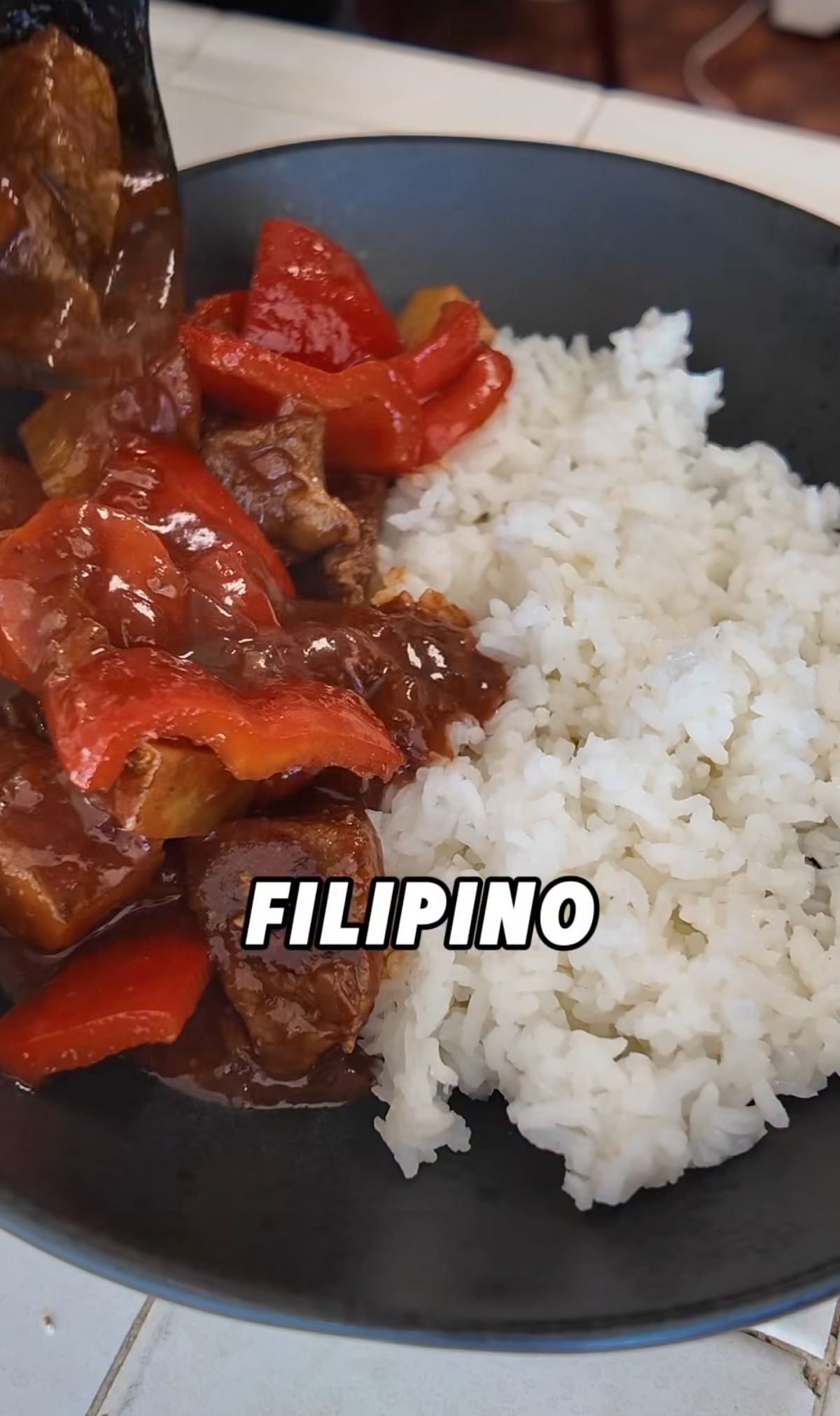
Build a standard tapsilog — beef tapa, sinangag, two eggs — and run the numbers honestly:
Forty-three grams of protein before 9 a.m. That is more than seven times the protein content of the standard oatmeal bowl, in roughly 200 additional calories. If you are targeting 150g of protein per day, that single breakfast covers 29% of your daily requirement.
The bangsilog version performs similarly:
Both the tapsilog and bangsilog versions deliver protein numbers that compete with any intentionally designed fitness breakfast — built entirely from ingredients that have been on Filipino tables for generations. You were eating a performance meal and were told it was a liability.
The Filipino Breakfast Spectrum: From Best to Requires More Attention
Not every Filipino breakfast option performs equally well from a macro standpoint, and being honest about the differences is more useful than treating them all the same. Here is a clear-eyed breakdown:
Strong macro profile for fitness goals:
Solid but worth paying attention to the preparation:
Requires awareness, not avoidance:
The Sinangag Question: Is Garlic Fried Rice Actually a Problem?
The rice is where most people's anxiety about Filipino breakfast lives. Three-quarters of a cup of cooked sinangag adds roughly 155 kcal and 34g of carbohydrates — a moderate carbohydrate serving that fits within most daily calorie targets without stress. Two full cups of sinangag adds roughly 415 kcal and 90g of carbohydrates — and that version crowds the budget.
The rice is not the problem. Unrestricted rice is the variable to manage. The practical fix is treating sinangag as a measured portion rather than a fill-to-capacity staple. Operationally, that means:
One additional note that matters for meal prep: day-old refrigerated rice makes significantly better sinangag than fresh-cooked rice. The lower moisture content produces better fry and texture. This means Filipino breakfast actually benefits from the same batch-prep approach used in fitness meal prep — cook extra rice on Sunday, refrigerate it, and your weekday mornings produce a better plate with less effort.
What the Research Says About High-Protein Breakfasts
The case for protein-first breakfast is consistent across the research. A review by Leidy et al., published in the American Journal of Clinical Nutrition, examined the role of protein in weight loss and maintenance and found that higher protein intake at breakfast specifically reduces appetite, lowers total daily calorie intake, and supports greater retention of lean mass during a caloric deficit — all three outcomes that matter for body recomposition.
The mechanism is largely hormonal. Higher protein intake increases satiety hormones including GLP-1 and peptide YY, while reducing ghrelin — the hunger signal — more than equivalent calorie loads from carbohydrates or fat. A 43g protein breakfast from tapsilog produces meaningfully different hunger and energy levels at 11 a.m. than a 6g protein breakfast from oatmeal at the same calorie count.
This is exactly where the Filipino breakfast wins the comparison. The gap between 43g and 6g of protein at breakfast is not a marginal difference — it is a practical difference in how much you eat for the rest of the day, how much muscle you retain during a cut, and how consistently you hit your weekly deficit without feeling deprived.
Building Your Filipino Breakfast Around a Specific Macro Target
Here is how to construct a Filipino breakfast around different body recomposition targets. These are working meal templates, not aspirational plates:
Target: 40g protein, under 550 kcal — moderate cut
Target: 50g protein, under 700 kcal — maintenance or lean bulk
Target: 30g protein, under 400 kcal — aggressive cut or smaller morning appetite
The flexibility here is real. Filipino breakfast ingredients scale across a wide range of calorie targets without losing the experience of the meal. The garlic rice, the protein, the egg — those elements stay. Only the quantities shift based on where you are in your training cycle.
Your Action Step This Week
This week, eat one Filipino breakfast in place of your standard oatmeal bowl and log both in a free nutrition app. Compare the protein totals side by side. Not the "improved" oatmeal with protein powder mixed in — the version you actually make on a normal morning, against a plate of garlic rice, tapa or bangus, and two eggs.
If you do not have tapa or bangus ready, start with what is in the refrigerator: garlic fried rice (3/4 cup) and three eggs. That combination delivers roughly 22–24g of protein and takes about 10 minutes. It is not as protein-complete as a full silog meal, but it is three to four times the protein of a standard oatmeal bowl from the same morning time investment.
After one week, check your mid-morning hunger. Most people who make this swap notice a real difference in how long the meal holds them, which then affects how much they eat at their next meal. The downstream calorie effect is usually more significant than expected.
The breakfast you were told to leave behind was already doing the job. You just did not have the numbers in front of you.
How much protein does a tapsilog have?
A standard tapsilog with 100g of lean beef tapa, 3/4 cup of sinangag, and two eggs contains approximately 43g of protein and around 520 kcal. The protein comes primarily from the tapa (roughly 28g per 100g cooked) and the eggs (6g each). Larger tapa portions — 130g, for example — push the total closer to 50–55g protein.
Is Filipino breakfast good for weight loss?
Yes, when portioned correctly. Filipino breakfast options like tapsilog and bangsilog are high in protein, which drives satiety and supports lean mass retention during a caloric deficit. The main variable to manage is rice volume — 3/4 cup of sinangag fits a cut comfortably; two or more cups adds 300+ kcal without adding protein. The protein anchor is what makes it effective.
Is oatmeal or tapsilog better for building muscle?
Tapsilog is significantly better for building muscle at breakfast. Muscle protein synthesis requires adequate leucine from complete protein sources at each meal. Tapsilog delivers 40–43g of complete protein. Standard oatmeal delivers approximately 5–6g. To make oatmeal competitive for muscle building, you would need to add a full scoop of protein powder or a substantial Greek yogurt portion — at which point it is no longer really an oatmeal breakfast.
Is sinangag bad for a diet?
Not inherently. Three-quarters of a cup of cooked sinangag contains approximately 155 kcal and 34g of carbohydrates — a moderate carbohydrate serving that fits within most calorie targets. The problem is not the garlic rice itself but serving size: two or three unrestricted cups of sinangag adds 400–600 kcal in carbohydrates without adding meaningful protein, which crowds the calorie budget during a cut.
What is the best Filipino breakfast for fat loss?
Bangsilog (bangus, sinangag, eggs) and tapsilog (beef tapa, sinangag, eggs) are the strongest options for fat loss. Both deliver 37–43g of protein per serving at 500–540 kcal. Bangus specifically offers healthy fats in addition to the protein. Portion sinangag at 3/4 cup and add a sliced tomato or atchara for volume. Tocilog is a reasonable choice occasionally but has more added sugar from the marinade.
Why is oatmeal considered a fitness food if it is low in protein?
Oats earned their fitness reputation from beta-glucan fiber content, cardiovascular benefits, and slow-digesting complex carbohydrates — none of which are bad qualities. The problem is that oatmeal's reputation as a general 'healthy breakfast' translated into fitness culture without adjusting for the specific protein requirements of someone training for body recomposition. It is a solid carbohydrate source, not a protein source, and the two roles are not interchangeable.