10 Filipino Superfoods for Fat Loss
A client texted me a screenshot last month: a reel claiming ginger, garlic, and vinegar could "melt belly fat" in a week. She wanted to know if it was true before she committed to buying $80 of turmeric supplements. I told her the honest version — none of those ingredients melt anything, but the dishes she already grew up eating are quietly better built for fat loss than she gives them credit for. That's the real story behind Filipino superfoods for fat loss: not magic, just protein, fiber, and flavor doing their normal jobs better than the alternative on your plate.
Why "Metabolism Boosting" Foods Actually Work
Every food has a thermic effect — the calories your body spends digesting it. Protein costs you roughly 20-30% of its own calories to process, fiber costs more than refined starch, and fat costs almost nothing. That's the entire mechanism behind most "metabolism boosting" claims. It's real, but it's a 50-100 kcal per day effect for most people, not a 500 kcal one.
What actually moves the scale is total weekly intake versus output. The foods on this list earn a spot because they raise protein or fiber per calorie compared to what usually sits next to them on a Filipino plate — not because they contain some compound Western nutrition missed. A 4 oz serving of grilled bangus at 190 kcal and 22g protein beats a 4 oz serving of crispy pata at 500+ kcal and 28g fat doing the same job of "protein for the meal."
Use this list as a swap sheet, not a supplement stack. If you replace one lower-protein, higher-fat choice per day with one of these ten, you're looking at a 150-300 kcal daily improvement without touching portion sizes elsewhere — enough to move a stalled cut in six to eight weeks.
Bangus (Milkfish) — Your Cheapest High-Protein Anchor
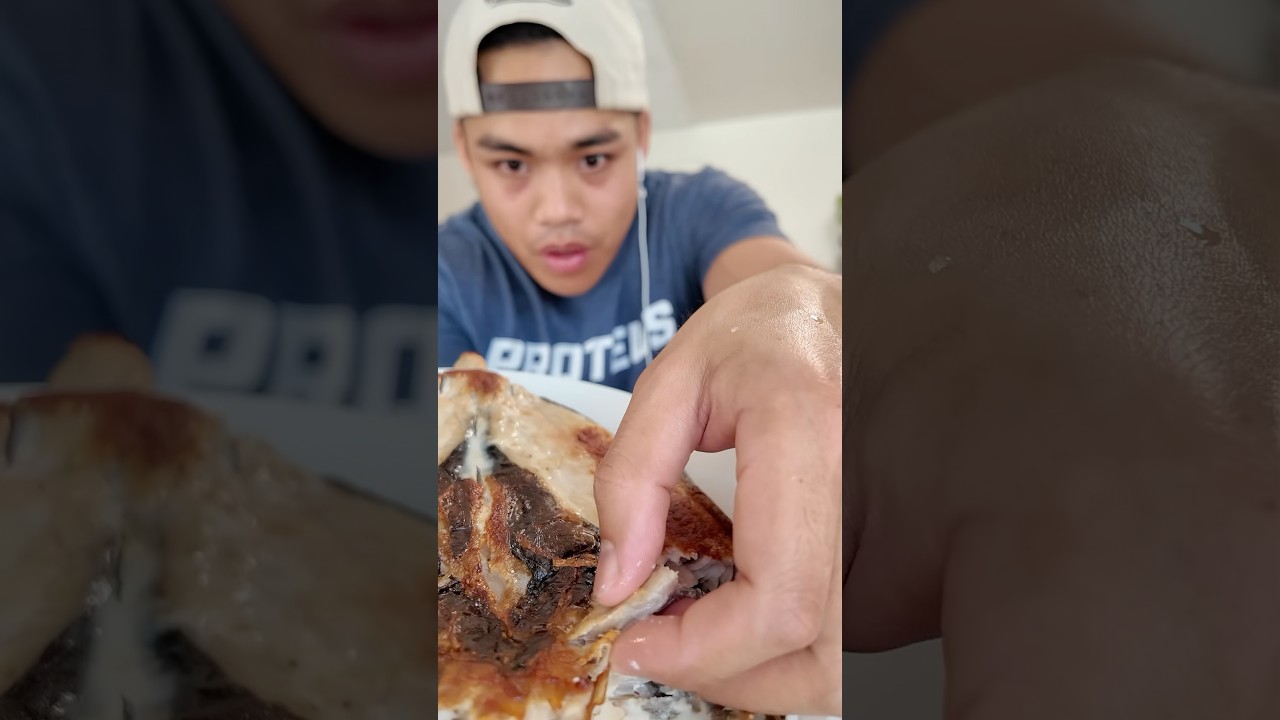
Bangus runs about 22g of protein and 6g of fat per 100g cooked when grilled, steamed, or baked (per USDA FoodData Central averages for milkfish). Fried in oil with the skin left crispy, that fat number climbs past 15g for the same portion — still workable, just less efficient if you're tracking a deficit closely.
The move that changes your macros without changing the dish: grill or steam instead of deep-fry, and eat the skin only if your fat budget has room. A whole bangus (roughly 300g edible meat) grilled gives you close to 65g of protein for under 600 kcal, which covers more than half a 120-130g daily protein target for a 150 lb lifter in one meal.
Bangus also holds up well as meal-prepped protein — it doesn't dry out or turn rubbery the way chicken breast does after three days in the fridge. If you're building a high-protein rotation, this deserves the same spot in your high protein Filipino breakfast lineup that longganisa usually takes, minus the added sugar cure most commercial longganisa carries.
Tilapia — The Everyday Lean Protein You're Undereating
Tilapia is the most overlooked protein in a Filipino-American kitchen because it feels too plain to count as a real meal. That's exactly why it works: 100g of cooked tilapia gives roughly 26g of protein and under 3g of fat, one of the leanest ratios of any commonly cooked fish, Filipino or otherwise.
Tinolang isda or paksiw na isda made with tilapia keeps that ratio intact because both cooking methods add almost no fat — the calories come from the fish and the vegetables, not the sauce. Compare that to the same fish breaded and fried, which adds 100-150 kcal per serving from the oil alone and drops the protein-to-calorie ratio noticeably.
Practical target: if you're eating 1g of protein per pound of bodyweight, a 6 oz cooked tilapia fillet covers about 42g of that number for roughly 180 kcal. That leaves more calorie room for rice, vegetables, or a second protein source later in the day, which is the actual reason lean fish outperforms fattier cuts on a cut — not because tilapia has some special property, just better math.
Tokwa (Tofu) — Plant Protein for Meatless Days
Tokwa gets dismissed as a side dish, usually fried and doused in vinegar next to isaw on a street cart. Plain, pan-seared tokwa runs about 8g of protein and 4-5g of fat per 100g — modest per gram, but a full block (roughly 300g) delivers close to 24g of protein for under 250 kcal, which is competitive with a lot of meat cuts once you account for the fat you're not adding.
The advantage isn't the protein density alone — it's flexibility. Tokwa takes on adobo sauce, sisig seasoning, or a vinegar-soy dip without needing its own prep method, so it slots into an existing weekly rotation instead of requiring a new recipe. On days you're deliberately cutting your meat spend or just want a lighter dinner, a tokwa-and-vegetable stir-fry with a tablespoon of soy sauce and calamansi keeps a meal under 350 kcal while still hitting 25g+ of protein.
If you're trying to figure out your actual daily number before picking foods to hit it, the math is laid out in detail in how much protein you actually need to build muscle — tokwa is one of the easier ways to close the gap on a non-meat day without falling short.
Monggo (Mung Beans) — Fiber and Protein Together
A cooked cup of monggo delivers roughly 14g of protein and 8g of fiber for about 210 kcal. That fiber number matters more than people give it credit for — most Filipino-American adults eat well under the 25-38g daily fiber target set by the Dietary Guidelines for Americans, and a single cup of monggo covers 20-30% of that on its own.
Traditional monggo guisado made with a little ginisang bagoong and a small amount of pork adds flavor without erasing the fiber-to-calorie advantage, as long as the pork portion stays modest — think a garnish, not the main component. Swap the usual chicharon topping for a soft-boiled egg instead, and you add another 6g of protein for 70 kcal instead of 80-100 kcal of fried pork skin with almost no protein.
Monggo also digests slower than white rice because of that fiber content, which means less of a blood sugar spike and a longer stretch before you're hungry again. For anyone managing hunger on a calorie deficit, a fiber-forward bowl like this one is a cheaper appetite tool than most of what gets sold as a fat-burning supplement.
Ginger and Garlic — The Thermic Spice Duo
Ginger and garlic show up in nearly every Filipino savory dish, and both have real — if modest — research behind them. A 2012 pilot study in Metabolism found that roughly 2g of ginger powder taken with a meal modestly increased the thermic effect of food and reduced hunger ratings in overweight men, without changing resting metabolic rate. Garlic research shows a similar pattern: small, consistent effects on lipid metabolism and appetite, not dramatic fat loss on its own.
The takeaway isn't to megadose either one — it's that you're probably already getting a reasonable amount from normal cooking. A base of sautéed garlic and ginger under tinola, sinigang, or adobo isn't just flavor tradition; it's a low-cost, zero-calorie way to add a small metabolic nudge to a dish you were making anyway.
Where this actually pays off is appetite control late in a cut, when hunger becomes the main obstacle instead of discipline. A cup of fresh ginger tea before a meal is a low-effort way to apply the same effect the study used, and it's discussed in more depth in the science behind Filipino fat-burning foods.
Malunggay (Moringa) — The Micronutrient Multiplier
Malunggay leaves are dense in iron, calcium, vitamin A, and vitamin C relative to their calorie cost — a cup of cooked leaves runs under 15 kcal. That density matters on a cut, when total calories drop and it gets harder to hit micronutrient targets without deliberately choosing nutrient-dense foods over calorie-dense ones.
Iron deficiency in particular is common enough in active women that it's worth naming directly — low iron shows up as fatigue and stalled training performance long before a blood panel gets checked, and malunggay is one of the more accessible dietary sources available in a Filipino kitchen, especially paired with a vitamin C source like calamansi to improve absorption.
Practically, malunggay works best added to something you're already cooking rather than eaten as its own dish: a handful stirred into tinola, monggo, or a simple egg dish adds volume and nutrients for almost no calorie cost. If you're building a full week of meals around dishes like this, the shopping list and prep order are covered in Filipino meal prep, which is worth following before you improvise your own rotation.
Kamote (Purple Sweet Potato) — A Slower-Burning Carb
Kamote and white rice aren't nutritionally opposed — both are legitimate carb sources — but kamote brings roughly 4g of fiber per cup versus under 1g in white rice, at a similar calorie cost (around 180 kcal per cup, cooked). That fiber slows digestion, which means a flatter blood sugar curve and, for a lot of people, better appetite control two to three hours after the meal.
This matters most for anyone managing insulin sensitivity or just noticing they're hungry again 90 minutes after a rice-heavy plate. Swapping half your usual rice portion for kamote on non-training days — when your muscles need less immediate glucose — is a reasonable default without requiring you to cut rice out entirely.
On training days, rice still earns its place because of how fast it digests and refuels glycogen. A half-and-half split, roughly a half-cup of rice paired with a half-cup of kamote, gets you the fast-digesting carbs around your workout and the fiber and micronutrients the rest of the day. The full breakdown of why rice isn't the enemy people assume it is lives in the real math on rice and fat loss.
Suka and Bagoong — Acid and Ferment for Blood Sugar Control
Vinegar earns its spot for a specific, studied reason: a 2004 study in Diabetes Care found that vinegar taken with a high-carbohydrate meal improved insulin sensitivity and lowered post-meal blood glucose response in people with insulin resistance. Paksiw, kinilaw, and vinegar-based adobo apply that same principle without needing a supplement — the acid slows gastric emptying just enough to flatten the spike from the rice on the same plate.
Bagoong and patis do a different job: they replace sugar-heavy bottled sauces as your flavor source. Two tablespoons of bottled sweet chili or barbecue sauce commonly carries 15-20g of added sugar and 70-90 kcal; the same flavor intensity from a teaspoon of bagoong or a splash of patis with calamansi runs under 20 kcal and close to zero sugar. On a calorie-tracked day, that's the difference between staying under target and going over from condiments alone.
Sodium is the one thing to watch with both — not a fat loss issue, but a blood pressure one if you have a family history. Used in normal cooking portions, both remain some of the most calorie-efficient flavor tools in a Filipino kitchen, and the fermentation angle is covered in more depth in maximizing gut health through Filipino fermented foods.
Putting the Ten Foods on a Plate
None of this works as a list of ingredients sitting in your fridge — it works as a weekly pattern. Here's what a realistic day looks like using six of the ten: breakfast is two eggs with malunggay stirred into the pan, roughly 220 kcal and 16g protein. Lunch is grilled tilapia with a half-cup rice and half-cup kamote, about 420 kcal and 40g protein. Dinner is monggo guisado with a soft-boiled egg instead of chicharon, around 310 kcal and 20g protein, seasoned with garlic, ginger, and a splash of suka on the side vegetables.
That's roughly 950 kcal and 76g of protein across three meals before snacks — leaving room in most people's daily target for a fourth meal or a planned treat without derailing the week. The point isn't to eat all ten foods every day; it's to have them as your default swaps when you're deciding what to cook.
Your action step this week: pick one meal you eat at least three times a week — breakfast, most likely — and rebuild it using two items from this list. Grilled bangus or tilapia instead of fried, cooked with garlic and ginger, seasoned with patis instead of a bottled sauce. Track that single meal's protein and calories for a week. Most people find it adds 15-20g of protein and cuts 100-150 kcal without feeling like a diet change at all — and that's the actual mechanism behind every claim you've seen about these foods.
Do Filipino superfoods actually boost metabolism?
A handful — ginger, garlic, chili, vinegar — have measurable but small effects on thermogenesis and appetite in controlled studies. The bigger lever is that these foods are high in protein or fiber, which raises your body's calorie cost of digestion (the thermic effect of food) more than fat or refined carbs do. Treat them as tools that support a deficit, not a shortcut around one.
What is the highest protein Filipino food for fat loss?
Bangus (milkfish) and tilapia both run 20-23g of protein per 100g cooked with under 6g of fat when grilled or steamed instead of fried. Tokwa (tofu) and monggo are the best plant-based options, at roughly 14-18g of protein per cooked cup.
Can I eat rice and still lose fat on a Filipino diet?
Yes. A half-cup to one cup of cooked rice (about 100-200 kcal) fits into most cutting plans once protein and vegetables are locked in first. Pairing rice with vinegar-forward dishes or swapping half the portion for kamote can flatten the blood sugar response, but the calorie total still decides the outcome.
Is bagoong or patis bad for a fat loss diet?
In the small amounts typically used — a teaspoon to a tablespoon — bagoong and patis add under 20 kcal and almost no sugar, compared to 15-20g of sugar per 2 tablespoons in bottled sweet-and-sour or barbecue sauce. Watch sodium if you have blood pressure concerns, but calorie-wise they're one of the cheaper flavor sources on your plate.
How much ginger or garlic do I need for a metabolic effect?
Studies showing a measurable thermic or satiety effect used around 2g of ginger powder (roughly the amount in a cup of fresh ginger tea) or a few grams of raw or cooked garlic per day. That's well within normal Filipino cooking portions — you don't need to megadose either one.
What's the easiest way to start eating for fat loss with Filipino food?
Pick one protein-forward dish you already eat weekly — tinolang isda, monggo, or grilled bangus — and build your plate around it first: protein, then vegetables, then a measured half-cup of rice. That single ordering change does more for a weekly deficit than any single ingredient swap.