Filipino Meal Prep for Busy Weeknights: 5 Lean Protein-Rich Foods to Add to Your Diet Plan
A client texted me at 8:40 on a Tuesday night: "Coach, I have adobo in the fridge from Sunday, rice in the cooker, and zero energy to cook anything else. Do I just skip dinner?" That question is the whole problem with how most people think about Filipino meal prep. They assume the food they grew up with doesn't fit a fat loss plan, so on busy nights they either skip the meal or default to whatever's fastest — usually more rice, less protein. The fix isn't a new diet. It's building your week around five proteins that are already lean by default and learning to portion what's already in your kitchen.
Why Filipino Staples Are Already Built for This
Most Filipino main dishes start with meat or fish, not a starch. Adobo is chicken or pork simmered in vinegar and soy. Sinigang is built on a protein — bangus, pork ribs, shrimp — with vegetables in a sour broth. Tapa is cured beef. None of these dishes are inherently high-calorie; the calorie load comes from cooking oil volume, sugar in the marinade, and how much rice ends up on the plate relative to the protein.
When I audit a new client's typical dinner, the protein source is rarely the problem. A 4oz serving of chicken adobo runs about 26-28g of protein. The problem is the ratio: two cups of rice next to that chicken pushes total calories to 620-650 with only 30g of protein to show for it. Compare that to the same chicken with one cup of rice — you keep the protein, drop about 200 calories, and the meal still tastes like home.
This matters because protein intake is the variable most tied to preserving muscle during a calorie deficit. The International Society of Sports Nutrition's position stand on protein and exercise recommends 1.4-2.0g per kilogram of bodyweight daily for people training regularly — for a 150lb person, that's roughly 95-135g spread across the day. Filipino food gets you there faster than people assume, once you stop treating rice as the main event.
Bangus (Milkfish) — Your Fastest 25g Protein Move
Bangus is the most underrated protein in a Filipino kitchen for someone trying to lean out. A 4oz cooked fillet delivers roughly 24-26g of protein for about 230 kcal, and it cooks in under 10 minutes whether you're frying, grilling, or steaming it sinigang-style. Compare that to a similar portion of pork belly, which can run 450+ kcal for the same protein count — bangus wins on every axis except cook-day smell, which is a real but manageable tradeoff (crack a window, use an air fryer).
Boneless bangus belly, sold pre-marinated at most Filipino grocery stores, is a legitimate weeknight shortcut. Season it lightly if at all — the marinade already carries garlic, vinegar, and salt — and pan-sear it skin-down for four minutes, flip for two. Pair it with a vinegar-soy dip on the side instead of cooking it in oil-heavy sauce, and you keep the calorie count predictable.
For meal prep specifically, bangus reheats better than most people expect if you store it separate from any sauce. Portion it into 4oz servings the day you cook it, refrigerate for up to three days, and reheat in a toaster oven or air fryer rather than the microwave — two to three minutes at 350°F keeps the skin from turning rubbery. This is the protein I tell clients to lean on for lunch, since it doesn't need a heavy sauce to taste finished.
Chicken Adobo, Rebuilt for Fat Loss
Adobo is the dish most clients think they have to give up, and it's the one they need to give up the least. The macro difference comes down to one decision: skin on or skin off. Bone-in, skin-on chicken thigh adobo runs about 320-340 kcal per 4oz serving with 24g protein. Strip the skin before cooking and that same serving drops to roughly 260-270 kcal while protein climbs slightly to 26-28g, since you're removing fat weight, not meat.
The other lever is oil. Traditional adobo recipes often start with a tablespoon or two of oil to brown the chicken before adding vinegar and soy. You don't need it — searing skinless thigh in a nonstick pan with a light spray gets you the same browning with a fraction of the added fat. That single change saves 100-120 kcal per batch without anyone at the dinner table noticing a difference in taste.
Batch adobo holds up better than almost any other Filipino dish for prep, since the vinegar base acts as a natural preservative and the flavor deepens by day two. Cook a full batch — about 2.5 lbs of thigh meat — on Sunday, and you've got five servings ready for the week. Store the sauce and meat together in one container; unlike bangus, adobo actually benefits from marinating in its own liquid overnight.
Tokwa — the Budget Protein You're Skipping
Tokwa (firm tofu) doesn't get enough credit in Filipino cooking beyond tokwa't baboy. As a standalone protein, it runs about 15g per 100g and roughly 145 kcal, which makes it useful on days when you want volume without a heavy calorie load. A full block, pan-fried until the outside is crisp, gives you close to 30g of protein for under 300 kcal — hard to match with meat at that price point, which typically runs $2-3 per block.
The trick with tokwa is texture, not seasoning. Press it for 15-20 minutes under a plate before cooking to pull out excess water, then pan-fry in a dry or lightly oiled pan until the surface is firm and golden. Toss it in the same vinegar-soy-garlic mix you'd use for tokwa't baboy, minus the pork, and you get a dish that holds up to three days refrigerated without turning mushy.
For clients cutting calories aggressively, I'll often have them swap tofu in for half the meat in a stir-fry or pancit — not to eliminate meat, but to stretch the protein across more volume. A plate that's half bangus and half tokwa still hits 35g+ protein while adding bulk that makes the meal feel more filling for fewer total calories.
Tinapa and Canned Tuna for Zero-Cook Days
Some weeknights you won't cook anything, and that's fine as long as you've stocked the right pantry items. Tinapa (smoked fish, usually galunggong or bangus) delivers about 28g of protein per 100g and needs zero prep beyond flaking it apart — most versions are sold pre-cooked and ready to eat cold or warmed for a minute in a pan. Canned tuna in water is the backup for weeks when tinapa isn't available: a standard 5oz can runs about 25-27g protein for 100-120 kcal.
The mistake I see most often is pairing these zero-cook proteins with mayo-heavy preparations that erase the calorie advantage. A tuna salad made with a full quarter cup of mayo adds close to 200 kcal for almost no protein benefit. Swap in a spoon of plain Greek yogurt mixed with calamansi, chopped onion, and a little vinegar — you keep the tang without the calorie tax, and you add another 5-6g of protein from the yogurt itself.
Keep two or three cans of tuna and a pack of tinapa in the pantry at all times as your no-excuse option. Paired with a microwaved cup of rice and whatever vegetable is in the fridge, this is a five-minute dinner that still lands around 35g of protein — the same ballpark as a fully cooked meal, without touching a stove.
Beef Tapa Without the Sugar Crash
Tapa is often the sleeper pick because most versions, homemade or store-bought, lean on sugar in the marinade — sometimes 2-3 tablespoons per pound of beef. That's not disqualifying, but it adds up if you're eating tapsilog three mornings a week. A 4oz serving of tapa made from lean eye round or sirloin runs about 22-24g protein for roughly 190-210 kcal before the sugar in the marinade is factored in; a heavy-handed sweet marinade can push that up by another 60-80 kcal per serving.
The fix is simple: cut the sugar in your marinade by half and replace it with an extra tablespoon of calamansi or vinegar. You lose almost nothing in flavor since the acid carries most of the perceived "marinated" taste, and you drop the added-sugar load without changing the cook method. If you're buying pre-marinated tapa from the store, check the label — some brands run 8-10g of sugar per serving, which is worth knowing if you're tracking closely.
Tapa is also one of the better proteins for meal prep because it's meant to be cooked hot and fast, which means you can sear a whole batch in 15 minutes flat. Slice the beef thin against the grain before marinating, and a pound cooks in two batches in a hot pan, giving you four servings in the time it takes rice to finish cooking.
The Rice Math Nobody Explains
Here's the number that changes more diets than any protein swap: one cup of cooked white rice is about 205 kcal and 4.3g protein. Most home servings run closer to 1.5-2 cups, which means the "innocent" side of the plate is often contributing 300-400 kcal while the protein barely moves. This is the single biggest lever in a Filipino diet plan for fat loss, and it's the one people resist most because rice feels non-negotiable.
You don't have to cut it out. Capping rice at one level cup per meal, measured with an actual measuring cup for the first two weeks until you can eyeball it, is usually enough to create a 300-500 kcal daily deficit without touching your protein sources at all. For someone eating three rice-based meals a day, that's the difference between maintenance and a half-pound-per-week loss.
If you want more volume without more calories, cut your rice with cauliflower rice at a 50/50 ratio — it runs about 25 kcal per cup versus rice's 205, and most people can't tell the difference once it's mixed with sauce or adobo. This isn't about eliminating rice from your identity as a Filipino eater; it's about making the same plate work with your goals instead of against them.
Building the Actual Weeknight Prep
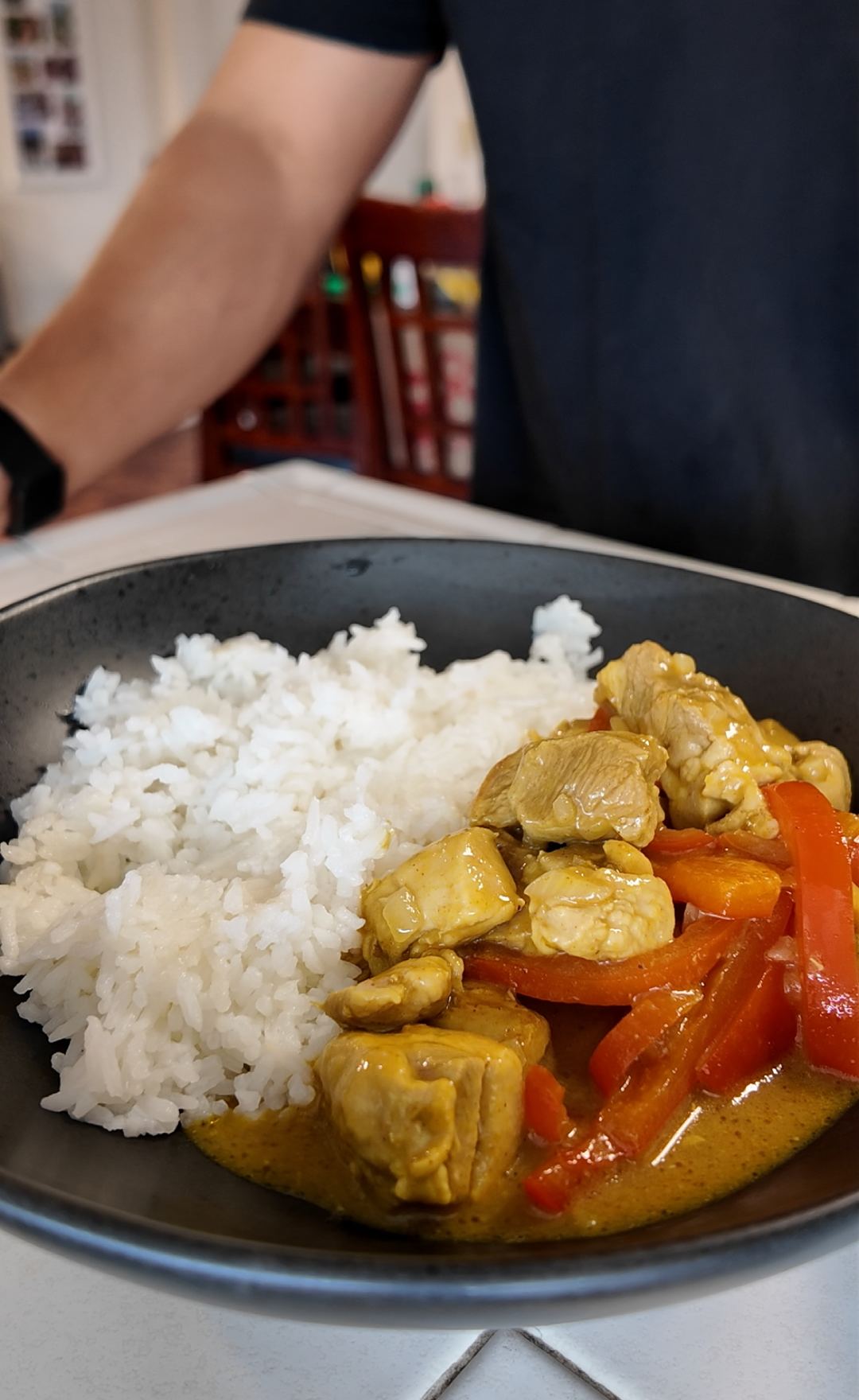
Here's the system I give clients who are cooking for one or two people and have maybe 90 minutes on a Sunday. Pick two proteins from the five above — say, chicken adobo and bangus — and cook both in parallel. The adobo simmers hands-off for 35 minutes while you sear the bangus fillets, which take under 10. Cook one batch of rice (4-5 cups dry yields about 10-12 servings) and one vegetable side, usually a quick sautéed vegetable or a batch of sinigang-style vegetables in broth.
Portion everything into 1-quart glass containers: 4oz protein, 1 cup rice, a fist-size portion of vegetables. This single session, roughly 3 lbs of raw protein plus rice and vegetables, typically produces 8-10 complete meals — enough to cover four to five weeknight dinners with lunch leftovers built in. Total active cooking time is under an hour once you're doing two proteins at once.
Label containers with the date and reheat within four days; anything you won't eat by day four goes in the freezer, where cooked adobo and tapa both hold up well for up to two months. This is the part most people skip — freezing two or three portions from every batch means you're never more than a microwave cycle away from a real meal, even on the weeks you don't get to cook at all.
Mistakes I See in Every New Client's Fridge
The most common mistake is cooking the protein right but drowning it in sauce at serving time. Adobo sauce is flavorful because it's concentrated — soy, vinegar, garlic, sometimes brown sugar — and a generous ladle can add 80-100 kcal on top of the meat itself. Spoon the sauce over the rice sparingly instead of soaking the whole plate, and you keep the flavor without the extra calories.
The second mistake is skipping breakfast protein and trying to make it up at dinner. A typical Filipino breakfast — garlic rice, a fried egg, maybe longganisa — often runs light on protein relative to calories, with longganisa contributing more sugar and fat than protein per link. Swap in two eggs plus a portion of leftover tapa or bangus from the fridge, and breakfast alone can hit 30g of protein instead of 12-15g.
The third mistake is treating meal prep as all-or-nothing. Clients who try to prep every single meal for the week burn out by week three and abandon the whole system. Start by prepping just dinners — that's the meal most people default to takeout or instant noodles on when they're tired — and let breakfast and lunch stay flexible for the first month before expanding.
Your Move This Week
Pick one weeknight this week and cap your rice at one measured cup next to whatever protein you're already cooking — adobo, bangus, tapa, it doesn't matter which. Don't change the recipe, don't add anything new, just measure the rice before you plate it. That single adjustment, repeated across five dinners, is a realistic 1,000-1,500 kcal weekly deficit without you having to give up a single dish you grew up eating. Track it for seven days and see what the scale says on day eight.
What are the best lean protein Filipino foods for meal prep?
Bangus, chicken adobo made with skinless thigh, tokwa, tinapa or canned tuna, and beef tapa made from eye round or sirloin are the five most reliable options. All five hold up to reheating, deliver 20g+ protein per serving, and don't require special ingredients.
How much protein is in a typical Filipino meal?
A standard plate with 4oz of chicken adobo and 1 cup of rice runs about 30-32g of protein total — roughly 26g from the chicken and 4g from the rice. That's a solid base for one meal if you're targeting 0.7-1g of protein per pound of bodyweight daily.
Is Filipino food bad for fat loss?
No. Filipino food is protein-forward by default — adobo, sinigang, bangus, and tapa are all built around meat or fish, not sauce-heavy carbs. The issue is usually rice portion size and cooking oil volume, not the dishes themselves.
How do I meal prep Filipino food for the week without it getting soggy?
Cook sauced dishes like adobo and sinigang fully, then store the sauce separate from the rice in 1-quart containers. Reheat the protein first, then add fresh or day-old rice — this keeps the rice from absorbing excess liquid and turning mushy by day three.
What's a low-calorie substitute for white rice in Filipino meals?
Cauliflower rice cuts about 180 kcal per cup compared to white rice, and a 50/50 blend of cauliflower rice and white rice is easier to sustain long-term than cutting rice entirely. Riced vegetables also add fiber that plain white rice lacks.
How many meals can I prep from one Sunday cooking session?
Two proteins (roughly 3 lbs total raw weight) and one batch of rice typically yields 8-10 servings, enough for four to five weeknight dinners for one person, or fewer if you're prepping for a partner or feeding a family.