The Filipino Food Pyramid for Fat Loss: A Practical Eating Guide
A client sat across from me a few years back, plate untouched, and said, "Coach, I think I have to stop eating Filipino food if I want to lose weight." She'd been told by two different fad diets that rice was the enemy and that lumpia, adobo, and sinigang belonged in the same bin as fast food. Six months later she was down 24 pounds, still eating adobo three times a week, still making sinigang on Sundays. Nothing about the food changed. What changed was how much rice went on the plate and how she thought about the dish as a whole instead of panicking over one ingredient.
Why the Traditional Food Pyramid Doesn't Fit a Fat Loss Goal
The Philippine Food and Nutrition Research Institute's official food guide, Pinggang Pinoy, puts rice and grains as the largest category, with vegetables and fruits next, then protein-rich foods, then fats and sugars at the top in small amounts. That pyramid was designed for general population health and energy needs across a whole country, including manual laborers burning 3,000+ calories a day. It was never built for a 35-year-old office worker in San Diego or Daly City trying to lose 15 pounds while sitting at a desk eight hours a day.
When you take that traditional structure and apply it to a sedentary or moderately active adult in a calorie deficit, the math breaks. Two to three cups of rice per meal, which is normal in a lot of Filipino households, adds up to 400-600 kcal from rice alone, often before you've touched the ulam (main dish). That's not a moral failing — it's just a mismatch between an old food guide and a modern, lower-activity lifestyle.
The fix isn't rejecting the cuisine. It's re-ordering the pyramid: protein at the base because it preserves muscle and keeps you full, vegetables and broths next because they add volume without many calories, rice as a controlled middle layer, and fried or fat-heavy dishes moved to the top as an occasional food instead of a daily default. Same ingredients, different hierarchy.
The New Base: Protein-Forward Filipino Dishes
Here's something most people don't realize until you break it down: Filipino food is already unusually protein-forward. Adobo, sinigang na baboy or hipon, inihaw na bangus, paksiw na isda, bistek, caldereta — these are all built around a meat or fish base with a flavorful sauce, not around bread, pasta, or cheese-heavy casseroles the way a lot of Western comfort food is.
A 4-5 oz serving of chicken adobo made with thigh meat runs roughly 25-30g of protein for about 250-320 kcal, depending on how much oil and skin is involved. Grilled bangus (milkfish) gives you around 28-32g of protein per 5 oz fillet for roughly 230-260 kcal. Even pork sinigang, once you skim excess fat off the broth, delivers a lean 3-4 oz portion of pork plus a full bowl of vegetables for under 300 kcal.
Target 0.7 to 1g of protein per pound of body weight per day if you're working on fat loss — that's 105-150g for a 150 lb person. A serving of adobo at lunch and bangus at dinner alone gets you halfway there before you've counted eggs, tokwa (tofu), or the mongo you had with breakfast. This is the part of the pyramid people skip past because it already feels intuitive, but it deserves to be named as the actual foundation.
Tocino, Longganisa, and Processed Breakfast Meats: The Honest Numbers
Breakfast is where a lot of well-intentioned Filipino eaters lose the day before 9am. Tocino, longganisa, and Spam are cultural staples, and I'm not going to tell you to replace them with oatmeal forever. But you should know what you're working with.
A standard 2 oz serving of tocino, pan-fried in its own sugar-cure, runs about 150-180 kcal with 10-12g of protein and a meaningful amount of sodium and added sugar from the curing process. Two pieces of longganisa (about 2.5 oz total) land around 220-260 kcal with 12-14g of protein, but a good chunk of those calories come from fat rather than protein. Spam is the outlier — 2 oz is around 175 kcal, 7g of protein, and 15g of fat, which is a rough protein-to-calorie ratio compared to almost anything else on this list.
None of these are banned. The move is frequency and pairing: treat tocinog or longganisa as a 2-3x per week breakfast, not daily, and pair it with two eggs (12g protein, 140 kcal) instead of a second cup of rice. That single swap — one egg pair instead of extra rice — can save 150-200 kcal at breakfast without you feeling like you gave anything up.
Rice: The Real Variable You Need to Measure
If there's one number in this whole guide worth memorizing, it's this: one cup of cooked white rice is about 205 kcal and 45g of carbohydrate, per USDA data. A typical Filipino household serving, especially at family-style meals, is closer to 1.5-2 cups per plate, sometimes more at dinner. That's 300-400 kcal from rice in a single sitting, often eaten in addition to a starchy side like pancit or lumpia.
This is not an argument for cutting rice out. Rice is a fine carbohydrate source, and after a hard training session it's genuinely useful for glycogen replenishment. It's an argument for measuring it the same way you'd measure anything else that matters to your results. Buy a $3 measuring cup, keep it in the rice cooker, and serve level cups instead of eyeballed scoops for two weeks. Most clients I've worked with cut 300-500 kcal per day just from this one change, without touching a single recipe.
For a rough guide: if you're sedentary to lightly active, aim for 1 cup of rice per meal. If you train 4-5x a week or have a physically demanding job, 1.5-2 cups per meal is reasonable, especially around workouts. Brown rice isn't dramatically different in calories (about 216 kcal per cup) but it does bring more fiber, which helps with fullness during a deficit.
Sinigang, Pinakbet, and the Power of Volume Eating
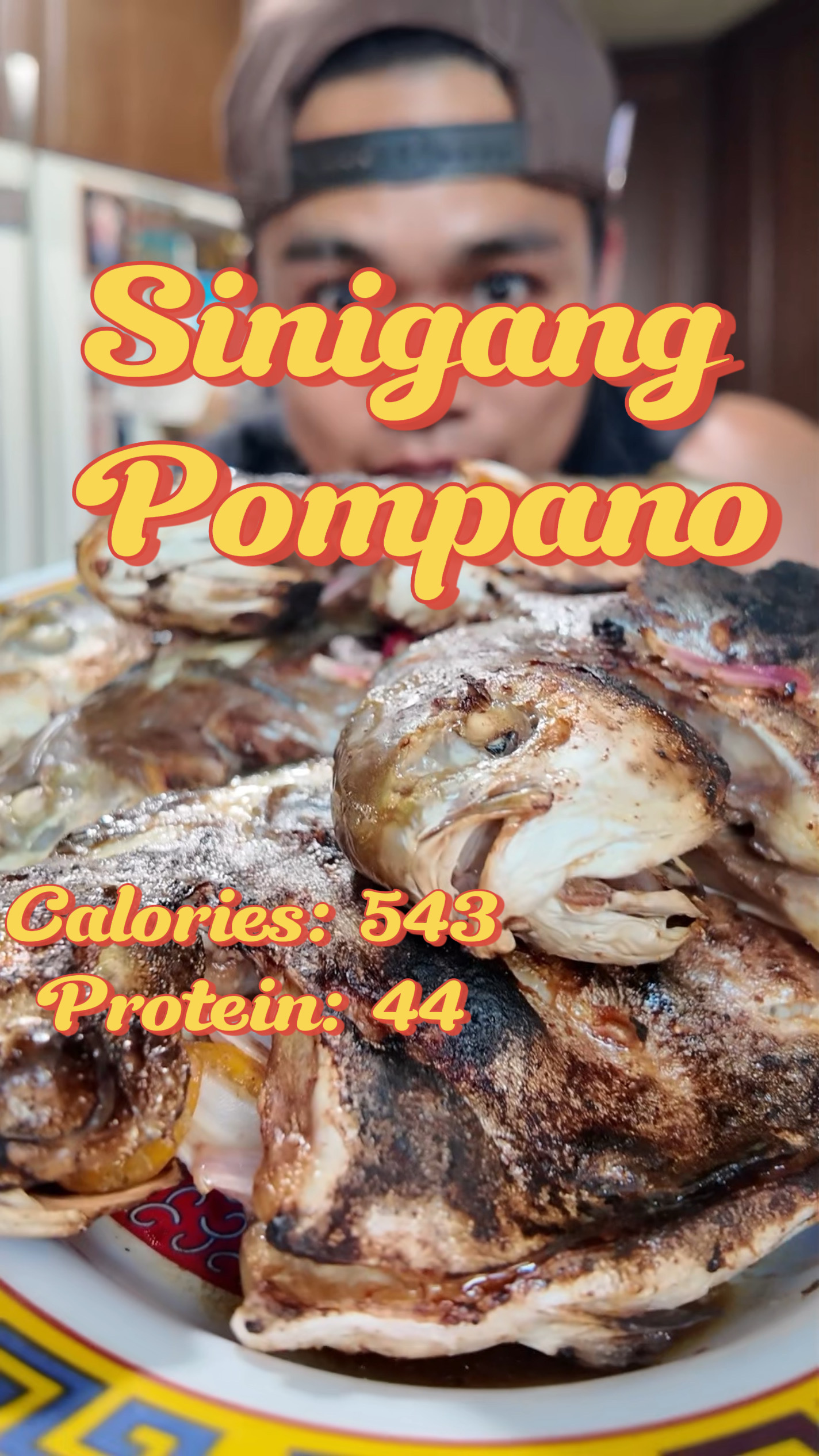
Souring soups and vegetable dishes are the most underrated fat loss tool in Filipino cuisine, and almost nobody markets them that way. Sinigang, built on tamarind, calamansi, or guava broth, is mostly water, vegetables, and a modest amount of protein — a full bowl can run 200-280 kcal depending on the meat used, for a genuinely large volume of food.
Pinakbet, with squash, eggplant, okra, string beans, and bitter melon, is similarly light — around 120-180 kcal per generous cup when made with a modest amount of bagoong and minimal oil. These dishes solve the biggest problem people run into during a calorie deficit: hunger. Volume eating, using high-water, high-fiber foods to fill the stomach for fewer calories, is a documented strategy for improving satiety without needing to be in a bigger deficit on paper.
My advice to clients cutting weight: build one meal a day, usually lunch or dinner, around a big bowl of sinigang or pinakbet plus a controlled cup of rice and a lean protein portion. You'll finish that meal fuller than a plate of adobo and rice alone, for fewer total calories, because the broth and vegetable volume are doing work that dry, dense food can't.
Fats, Frying, and Where Lechon Actually Fits
Lechon, crispy pata, chicharon, and deep-fried lumpia sit at the top of this pyramid for a reason — not because they're forbidden, but because they're calorie-dense in a way that's easy to underestimate. A 4 oz serving of lechon, skin included, can run 450-500 kcal with 35-40g of fat, much of it saturated. Crispy pata is similar or worse depending on portion, often 500-600 kcal for a modest-looking serving.
The mistake I see most often isn't eating these foods — it's eating them without accounting for them. Someone hits a fiesta or a Sunday lechon lunch, eats 800-1,000 kcal in that one sitting without realizing it, and then wonders why the scale didn't move that week despite "eating clean" the other six days.
The better approach is to plan for it. If you know Sunday is a lechon day, trim your rice portions and skip the fried lumpia earlier in the week, or shift your training to Sunday morning so you're working with a bit more room. One planned 800-1,000 kcal meal inside a week where your average daily intake is otherwise on target won't stall fat loss — a pattern of unplanned ones will.
A Sample Day of Eating on the Filipino Fat Loss Pyramid
Concrete numbers help more than principles, so here's what a real day looks like for someone around 150-160 lbs targeting a moderate deficit (roughly 1,700-1,900 kcal) with a protein target near 130g.
Notice what's missing: nothing here is a Western substitute. It's the same food most Filipino households already cook, just measured and sequenced with protein and vegetables anchoring each meal instead of rice dominating the plate by default.
Common Mistakes Filipino-American Dieters Make
After years of working with Filipino-American clients specifically, the same handful of mistakes show up over and over. First is treating rice as a fixed, non-negotiable portion regardless of goals — culturally it's often served family-style with no real measuring, so it becomes the easiest place calories hide unnoticed.
Second is over-correcting by cutting rice entirely and replacing meals with generic "diet food" that isn't culturally sustainable, which works for two weeks and then falls apart because nobody sustains a diet they resent. Third is underestimating condiments and cooking oil — patis, toyo, and the oil used to fry garlic rice or sauté adobo add up faster than people expect, sometimes another 100-150 kcal per meal.
Fourth, and this one matters for training goals specifically: not eating enough protein at breakfast. A lot of traditional Filipino breakfasts lean carb-heavy (rice plus a small amount of meat), which leaves people under-fueled on protein until lunch. Per NSCA guidance on protein timing, distributing protein across 3-4 meals rather than backloading it at dinner supports better muscle retention during a deficit, so shifting even 10-15g of protein earlier in the day, via eggs or tokwa, makes a real difference over weeks.
How This Pairs With Training for Actual Body Recomposition
Diet alone gets you fat loss; pairing it with resistance training is what determines whether the number on the scale coming down means you're losing fat or losing muscle along with it. The ACSM's position on nutrition and performance is consistent on this point: adequate protein combined with a structured resistance program preserves lean mass better than diet changes alone during a calorie deficit.
Practically, that means 2-4 strength sessions a week, hitting your protein target daily (0.7-1g per pound of bodyweight), and using training days to justify slightly higher rice portions if you need the fuel. A leg day followed by 1.5-2 cups of rice at your next meal is a reasonable trade; a rest day spent at a desk followed by the same portion is where the surplus quietly builds.
This is also where sinigang and other vegetable-heavy dishes earn their keep post-training — they refill you without undoing the deficit you built the rest of the day, giving you room for a slightly larger protein portion to support recovery.
Your Action Step This Week
Don't overhaul your diet. Do this one thing for the next seven days: buy a measuring cup, keep it by the rice cooker, and serve exactly 1 cup of rice per meal instead of scooping by eye. Keep every other dish — adobo, sinigang, tocino, pinakbet — exactly as you already cook it. Track your weight at the end of the week under the same conditions (morning, after using the bathroom, before eating). Most people see a noticeable shift in either the scale or how their clothes fit, purely from this one change, because rice was quietly running 300-500 kcal over what they needed. Once that habit sticks, add the second move: put a protein source on the plate first, every meal, before rice or anything fried touches it. That order alone will carry most of your fat loss progress from here.
Can you lose weight eating Filipino food?
Yes. Most traditional Filipino dishes — adobo, sinigang, inihaw na bangus, pinakbet — are built around lean protein, vegetables, and broth. The calorie surplus that stalls fat loss almost always comes from rice portions and fried side dishes, not the main dish itself. Fix those two variables and the rest of the cuisine works in your favor.
How much rice should I eat to lose weight?
For most people in a fat loss phase, 1 cup (about 200g cooked, 205 kcal) per meal is a reasonable starting point, adjusted by body size and activity. Someone doing manual labor or lifting heavy 4x a week can go higher; someone mostly sedentary should stay closer to half a cup to a full cup.
Is adobo healthy for weight loss?
Adobo is one of the better fat loss foods in Filipino cuisine when made with chicken thigh or pork lean cuts and you don't drown it in oil. A 4-5 oz serving delivers roughly 25-30g of protein for 250-320 kcal, which is a strong ratio. The soy-vinegar sauce also adds almost no calories on its own.
What is the Filipino food pyramid?
The traditional Filipino Food Pyramid, published by the Philippine Food and Nutrition Research Institute, places rice and grains at the base with vegetables and fruits above it, then protein, then fats at the top. For fat loss, that order needs to shift — protein and vegetables become the priority, and rice becomes a measured portion rather than the largest part of the plate.
What Filipino dishes are best for muscle gain?
Bangus, tilapia, chicken adobo, beef caldereta, and mongo with lean pork are strong choices because they combine high protein density with familiar preparation. Pair any of these with a full cup of rice post-workout and you have a meal that supports both recovery and a calorie surplus without needing a protein shake.
Do I need to give up lechon and crispy pata to lose fat?
No, but you do need to plan for them. A serving of lechon can run 450-600 kcal with significant saturated fat, so it fits better as a planned once-a-week meal — like Sunday family lunch — rather than a daily habit. Build your week around it instead of pretending it doesn't exist.