Adobo for Fat Loss: A Nutrient-Dense Breakdown
Marco came into my program at 34 years old, 218 pounds, and already down one Filipino staple he loved — his tita had told him to swap adobo for grilled chicken breast and steamed broccoli if he ever wanted to lose the weight. Six weeks in, he was bored, under-eating protein, and about to quit. I put the adobo back on his plate the same week. He lost 22 pounds over the next four months without ever giving it up again. The lesson wasn't that willpower failed him — it's that nobody had ever run the actual numbers on what's in a plate of adobo.
Why Adobo Is Already a Fat-Loss Food You've Been Told to Avoid
The reason adobo gets a bad reputation on fat loss plans is guilt by association — it usually shows up next to a mountain of rice and a ladle of oily sauce at a family gathering, and that plate can run 900-1,100 calories easily. But the adobo itself, isolated from the rice and the extra sauce, is a lean protein dish built on a near-zero-calorie braising liquid.
Vinegar has essentially no calories. Soy sauce runs about 8-10 calories per tablespoon. Garlic, bay leaf, and peppercorn contribute flavor, not calories. The entire caloric weight of an adobo serving comes down to two variables: the fat content of the protein you chose, and how much oil you used to sear it before the braise starts. That's it. Everything else in the dish is functionally free.
Compare that to a "healthy" fast-casual bowl — grilled chicken, brown rice, a drizzle of dressing, maybe an avocado add-on — and you're often looking at 650-750 calories with 28-32g of protein, plus $13-15 spent to get there. A well-portioned chicken adobo plate can hit the same protein number for 300-350 fewer calories, cooked at home for a fraction of the cost. The comparison isn't close once you run the actual macros instead of trusting a menu description.
The fix isn't cutting adobo from your diet. It's treating it the way you'd treat any other protein source on a cutting plan — pick a leaner cut, control the oil, and portion the rice separately instead of letting it float in sauce.
The Macro Breakdown: What's Actually in a Cup of Chicken Adobo
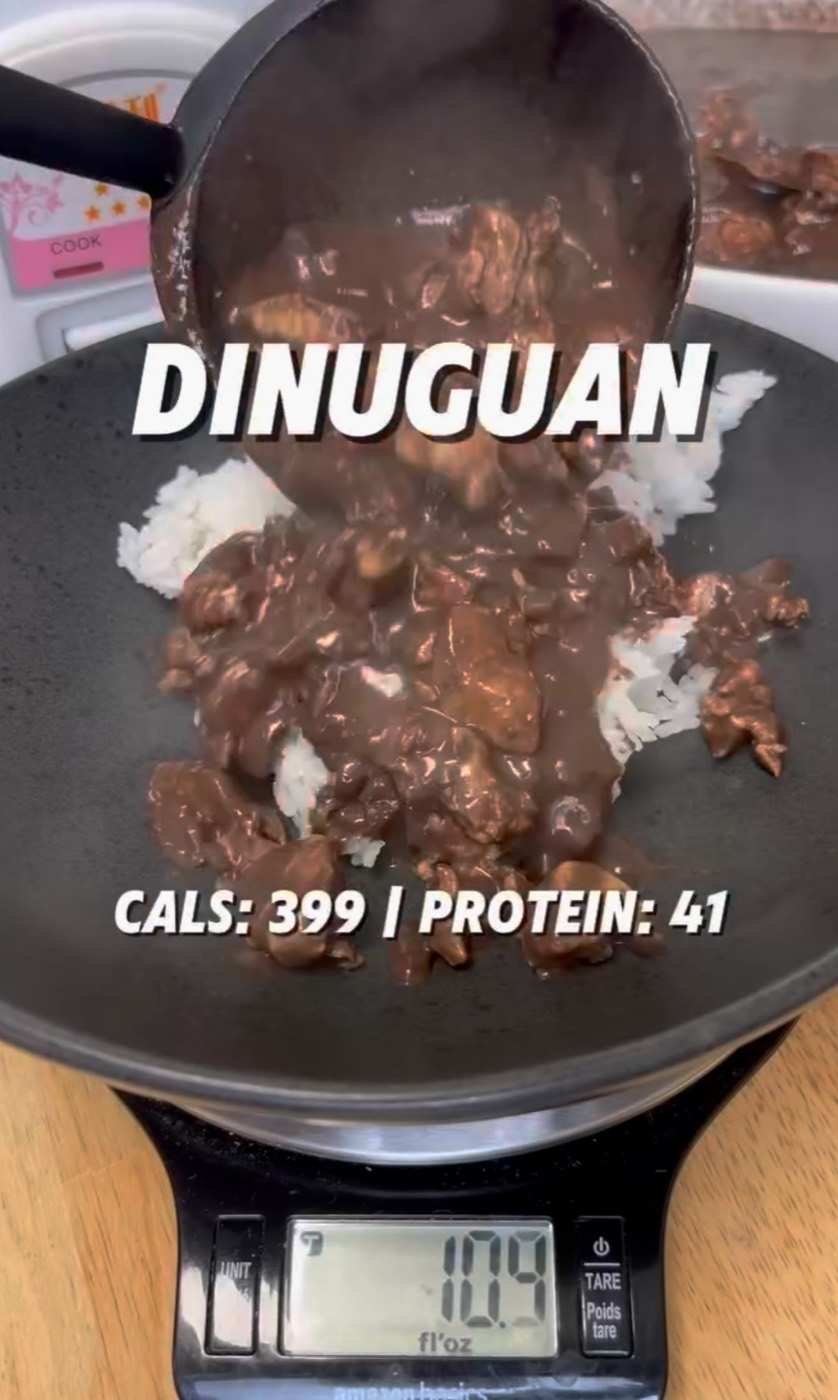
Here's the number that surprises most people I coach: a cup of skinless chicken thigh adobo, cooked in the sauce with a light sear, comes in around 280-320 calories with 30-34g of protein and 12-15g of fat, depending on how much oil went into the pan. That's a protein-to-calorie ratio most "diet food" doesn't touch.
Break it down by protein source, per roughly one cup cooked:
These numbers come from standard USDA nutrient values for poultry cuts (see USDA FoodData Central) adjusted for the small amount of oil and reduced sauce a typical batch absorbs. The carb count stays low across every version because adobo isn't built on flour, starch, or added sugar the way a lot of American braises are — soy sauce and vinegar carry almost no carbohydrate load.
What this means practically: if your daily target is 150g of protein on a cut, two cups of skinless chicken thigh adobo across two meals gets you 64g of that total for around 600 calories. That leaves the rest of your day for rice, vegetables, and a third protein source without needing to hit a gym-bag chicken breast to close the gap.
Chicken vs Pork vs Beef Adobo — Picking the Cut That Fits Your Calories
The protein source is the single biggest lever in this dish, and it's not close. Pork belly, the classic choice for restaurant-style adobo, is roughly 60-70% fat by weight before cooking. A cup of pork belly adobo lands around 450-520 calories, with fat contributing more calories than the protein does.
Swap to pork shoulder (also called pork butt) and you get a cup around 320-360 calories with 26-28g of protein — still rich, still tender after a braise, but nearly 150-200 calories lighter than belly. Pork loin goes leaner still, closer to 260-290 calories per cup with 30g of protein, though it can dry out if you don't braise it gently.
Beef chuck adobo, less common but worth knowing, runs around 340-380 calories per cup with 28-30g of protein — a reasonable middle ground if you want variety in your weekly rotation and don't want to eat chicken five days straight.
My rule with clients cutting weight: default to chicken thigh (skinless) for the bulk of your weekly adobo, and reserve pork belly or skin-on cuts for one serving a week where the calorie cost fits your remaining budget for the day. You don't have to give up pork adobo permanently — you just can't eat it four times a week and expect the scale to move.
The Soy Sauce and Sugar Math Nobody Runs
People worry about the wrong ingredient in adobo. Soy sauce and brown sugar get blamed for stalling fat loss, but the calorie math doesn't support that fear. A standard batch uses about 1/3 cup of soy sauce and 1-2 tablespoons of brown sugar, split across 5-6 servings. That works out to roughly 15-20 calories of soy sauce and 10-15 calories of sugar per serving — not enough to move the needle on a 2,000-calorie day.
Sodium is the real variable worth tracking. A tablespoon of regular soy sauce carries about 900mg of sodium, and a typical adobo serving might use 2-3 tablespoons across the braise, meaning a single portion can land at 400-600mg of sodium. That won't stall fat loss, but it can cause 1-3 pounds of water retention that shows up on the scale the next morning and spooks people into thinking the diet isn't working.
If you're weighing in regularly and want a cleaner read on trend weight, switch to low-sodium soy sauce (roughly half the sodium, same flavor once you adjust the vinegar ratio slightly) or measure your soy sauce instead of pouring by feel. Neither change affects your calorie count — it just keeps water weight from muddying your progress photos on the scale.
The takeaway: don't cut the sugar or soy sauce trying to save calories. You'll lose flavor for a rounding error. Manage sodium if you're chasing a specific weigh-in, and leave the rest of the recipe alone.
Portioning Rice Without Killing the Adobo Experience
If adobo isn't the problem, rice usually is. A cup of cooked white jasmine rice runs about 205 calories and 45g of carbs. Most home plates and turo-turo servings run closer to 1.5-2 cups, which is 300-410 calories before you've touched the protein.
Dropping to 3/4 cup of rice (about 155 calories, 34g carbs) saves roughly 50-250 calories per meal depending on your starting portion, without requiring you to give up rice entirely. That's the swap that actually moves a cutting diet forward — not eliminating rice, just measuring it instead of scooping by habit.
A practical method: use a 1-cup dry measuring cup as your bowl for portioning cooked rice, and fill it 3/4 full. It takes ten seconds and removes the guesswork that leads to an extra 150-200 calories a day without you noticing. Over a week, that's roughly 1,000-1,400 calories — close to a third of a pound of fat loss from one small habit change.
For a deeper breakdown of how rice fits into a cutting diet without needing to cut it out, see the real math on rice and fat loss. The short version: rice isn't the enemy, portion drift is.
Cooking Method Adjustments That Cut Calories Without Cutting Flavor
Three changes to how you cook adobo save real calories without changing the taste anyone would notice at the table. First, sear the meat in 1 teaspoon of oil instead of the 2-3 tablespoons many recipes call for — a well-seasoned pan and patience get you the same browning with a fraction of the added fat, saving roughly 80-100 calories per batch serving.
Second, refrigerate the finished adobo overnight before eating your meal-prepped portions. The fat in the sauce solidifies into a visible cap on top, and you can lift it off with a spoon in about 15 seconds. Doing this on a pork shoulder batch typically removes 80-120 calories per serving with zero change in flavor once reheated, because the flavor compounds are in the vinegar and soy base, not the fat layer.
Third, skip the deep-fry step some recipes use to crisp the meat before braising (common in adobong crispy pata or fried adobo flakes). Braise-only versions save 100-150 calories per serving and still deliver a rich, tender result — save the crispy version for a planned higher-calorie day rather than your default weekday meal.
These aren't sacrifices, they're technique adjustments. For a full walkthrough of three adobo variations built around different calorie targets, see adobo three ways: cutting fat without killing flavor.
Building a Weekly Fat-Loss Meal Plan Around Adobo
One batch of skinless chicken thigh adobo, cooked Sunday with 2.5 pounds of raw meat, yields about 6 cups of cooked, sauced meat — roughly 6 servings at 300 calories and 32g of protein each. That's 1,800 calories and 192g of protein locked in for the week from a single 45-minute cooking session.
To avoid the boredom that got Marco close to quitting, rotate the same base into three formats across the week:
This keeps total weekly calories predictable while the format changes enough to stay interesting. For a full 7-day structure built around exactly this kind of batch cooking, see Filipino meal prep, which covers container sizing, reheating, and how to keep sauce-based dishes from getting soggy by day four.
Common Mistakes That Turn Adobo Into a Diet-Breaker
The mistakes I see most often aren't about the recipe — they're about the plate. First, drowning the rice in extra sauce. A ladle of adobo sauce with rendered fat can add 100-150 calories beyond what's already on the meat, and it's easy to pour without measuring because it tastes so good.
Second, defaulting to pork belly for every batch because it's the version everyone grew up eating. Nothing wrong with it occasionally, but running belly as your weekly staple instead of your occasional treat is the fastest way to overshoot a calorie target without realizing it — the difference between belly and shoulder is roughly 150-200 calories per cup, which adds up over six servings.
Third, skipping vegetables entirely because the adobo and rice already feel like "a full meal." Adding a cup of sautéed sitaw or steamed kangkong costs almost nothing calorically (25-40 calories) and adds volume and fiber that keeps you full longer on a calorie deficit.
Fourth, eyeballing rice portions instead of measuring, which is the single biggest source of calorie drift I see in home cooks trying to cut. A "eyeballed" cup of rice is frequently closer to 1.5-2 cups in practice. None of these mistakes require giving up adobo — they just require the same attention to portioning you'd apply to any other protein source on a cutting diet.
Adobo and Protein Timing on Training Days
Protein distribution across the day matters for muscle retention during a cut, not just the daily total. Research summarized in the International Society of Sports Nutrition's position stand on protein and exercise points to roughly 0.4-0.55g of protein per pound of bodyweight per meal, spread across 3-4 meals, as a reasonable target for supporting muscle mass during a calorie deficit (see the ISSN position stand, Jäger et al., 2017).
For a 180-pound lifter, that's roughly 36-45g of protein per meal. One cup of skinless chicken breast adobo delivers 34g on its own — close enough that adding a boiled egg or a scoop of whey afterward closes the gap without much thought.
On training days, I have clients build their post-workout meal around adobo specifically because it doesn't require extra prep — it's already cooked, already portioned, and reheats in two minutes. Pair 1.5 cups of chicken breast adobo (about 51g protein) with 3/4 cup rice post-lift, and you've covered both the protein target and the carbohydrate replenishment window without needing a separate "recovery meal" plan. For the full breakdown of how much protein you actually need across a training week, see how much protein you actually need to build muscle.
Your One-Week Adobo Reset: The Action Step
Here's what to do this week, not someday. Cook one batch of skinless chicken thigh adobo — 2.5 pounds raw, seared in 1 teaspoon of oil, braised in the standard soy-vinegar-garlic base. Portion it into six containers with a measured 3/4 cup of rice and a cup of sautéed vegetables in each.
Weigh or measure the adobo portion at 1 cup per container. Track it for seven days using whatever app or notebook you already use, and compare your total weekly calories against your target. If you're cutting, you should land around 1,800-2,000 calories on adobo days once rice and vegetables are accounted for, with 30-34g of protein per meal covered before you add anything else.
That's the whole reset. No new ingredient list, no supplement, no meal replacement shake standing in for the food you grew up eating. Just the same dish your family already makes, measured instead of guessed.
Is chicken adobo good for weight loss?
Yes. A cup of skinless chicken thigh adobo runs about 280-320 calories with 30-34g of protein, which is a strong ratio for a cutting diet. The soy-vinegar-garlic braise adds very little calorie load — the fat content depends almost entirely on the cut and whether you keep the skin on.
How many calories are in a cup of pork adobo?
Pork belly adobo runs 450-520 calories per cup because belly is roughly 60-70% fat by weight. Swapping to pork shoulder or loin brings that down to 280-330 calories per cup while keeping the same braise and flavor profile.
Does the sugar in adobo sauce ruin a fat loss diet?
No. A typical batch uses 1-2 tablespoons of brown sugar split across 6 servings, which adds roughly 10-15 calories per serving. Sodium from the soy sauce is the bigger concern for water retention, not the sugar for fat gain.
How much rice should I eat with adobo on a cut?
Three-quarters of a cup of cooked jasmine rice (about 155 calories, 34g carbs) pairs well with a protein-dense adobo serving. Dropping from a typical 1.5-cup restaurant portion to 3/4 cup saves roughly 155 calories per meal without leaving you hungry if the adobo carries enough protein.
Can I eat adobo every day and still lose fat?
Yes, as long as you're tracking the cut of meat, the oil used to sear it, and your rice portion. Rotating the same adobo base into fried rice, lettuce wraps, or a rice bowl keeps the diet varied enough to stick with for a full cutting phase.