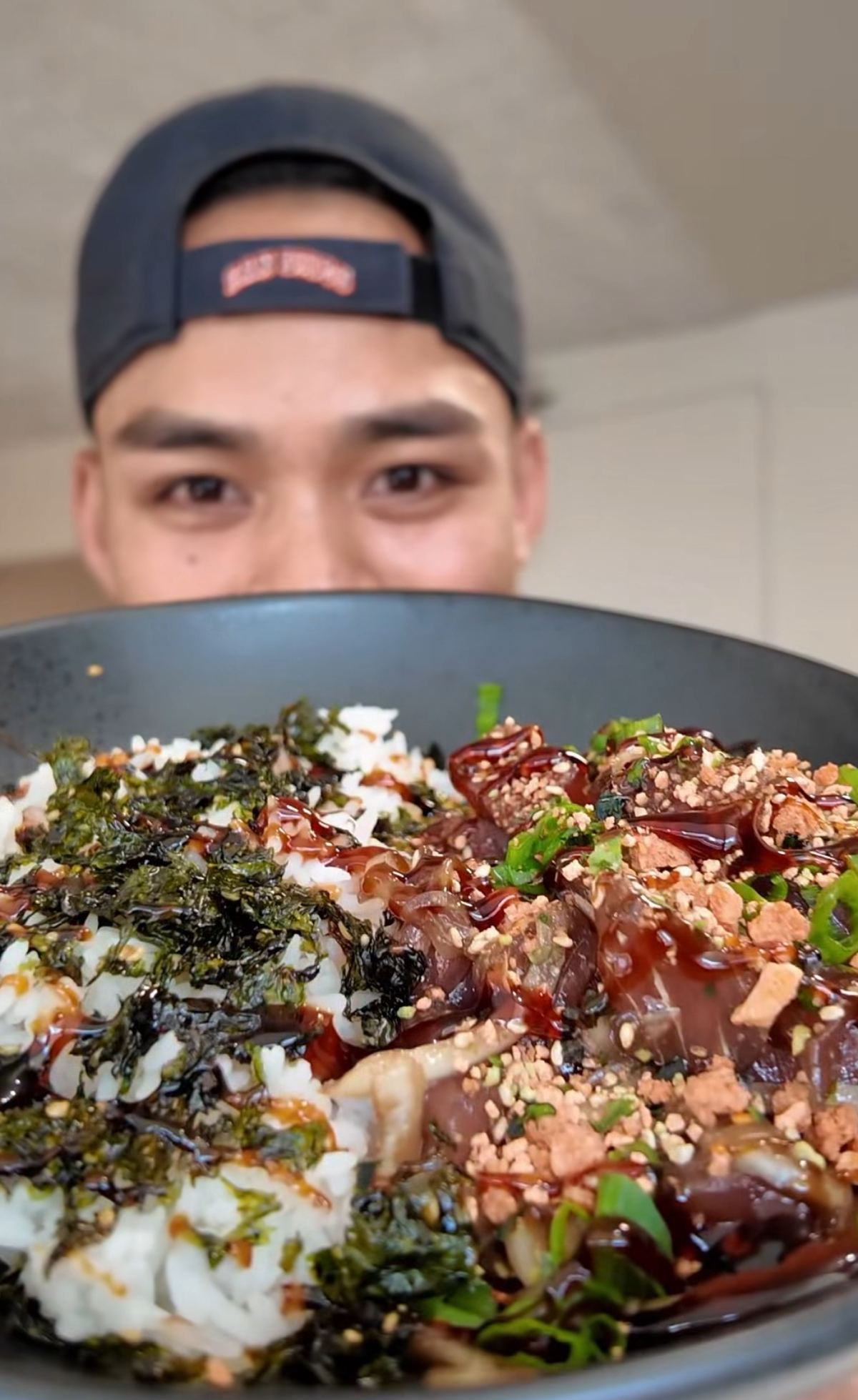
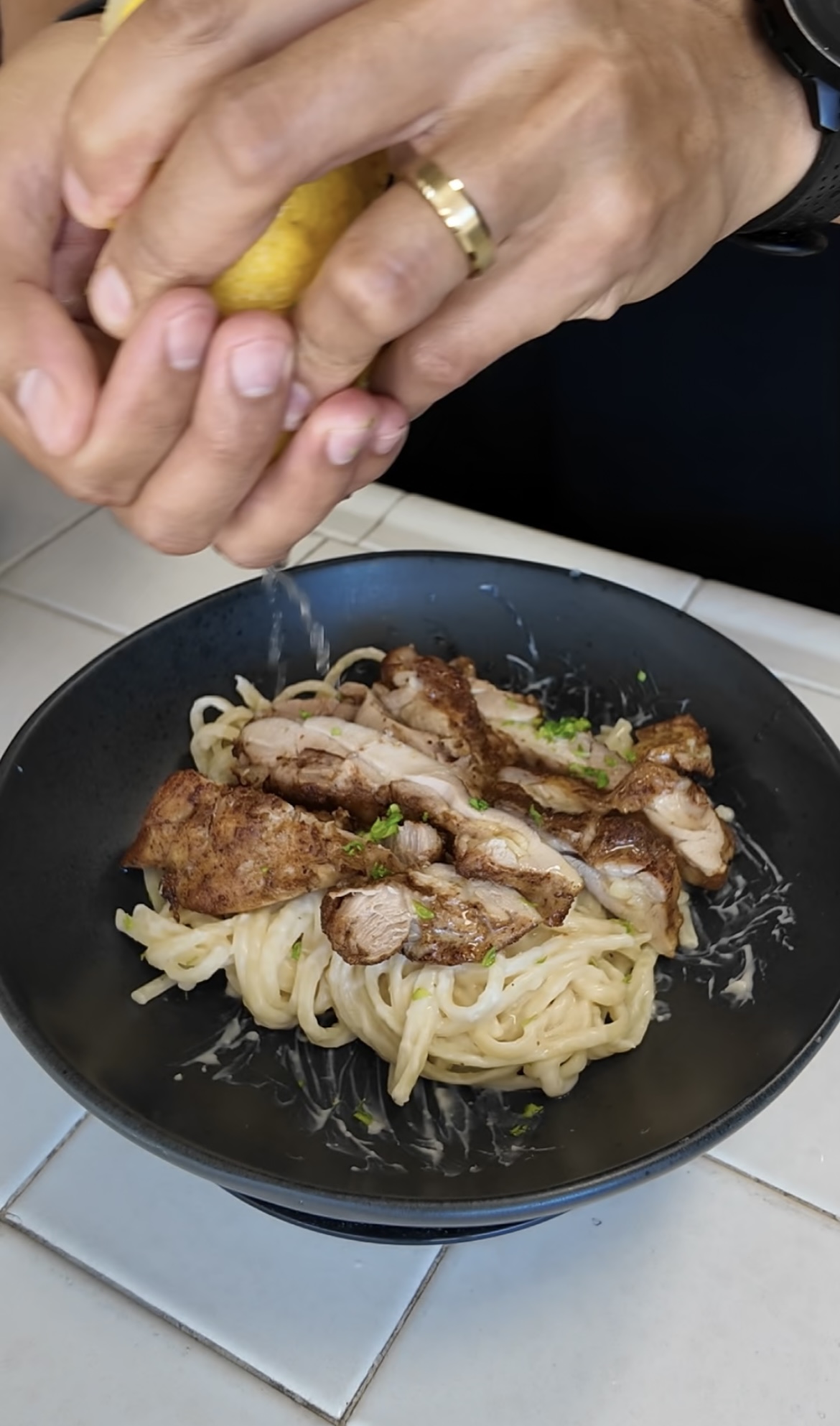
Lean Bulking on Filipino Food: Add Muscle Without the Fat
Most guys think bulking means dirty eating and a soft gut by January. It doesn't have to. A lean bulk is a controlled climb, just enough of a surplus to build muscle without stacking fat, and Filipino food is quietly built for it. Rice is training fuel. Adobo, sisig, and tocino are protein you'll actually eat. Here's how I set up a lean bulk for my clients without asking them to give up the food they grew up on.
What a lean bulk actually is
A lean bulk is a small calorie surplus, usually 250 to 350 calories over maintenance, run alongside hard training and high protein. The goal is slow: about half a pound to a pound of bodyweight a month. If the scale jumps a pound a week, most of that new weight is fat, not muscle.
The whole game is patience. Muscle is built at a fixed ceiling no matter how much you overeat, so a giant surplus just adds fat you'll have to cut off later. Keep the surplus small, keep protein high, and let progressive overload in the gym turn those extra calories into size.
Why Filipino food fits a lean bulk
Rice is one of the best lean-bulk carbs there is: cheap, easy to digest, and simple to measure to the gram so you can fuel training without guessing. It was never the problem. The problem is the deep-fried, oily sides stacked next to it.
The protein is already there, too. Chicken adobo lands around 57g of protein a serving, chicken tocino about 51g, and chicken sisig around 42g when you cook them lean. You hit your protein number on food you crave instead of choking down another plain chicken breast and a shake.
Your macro setup
Start with protein: aim for roughly 0.8 to 1 gram per pound of bodyweight. Find your maintenance calories, add 250 to 350, and let most of that surplus go to carbs, because carbs fuel the heavy training that actually drives growth. Keep fat moderate to round out the calories.
A worked example for a 170 lb lifter: about 2,600 calories, 170g protein, 320g carbs, 70g fat. Adjust from there based on the scale, if the weekly average climbs faster than a pound a month, trim 100 to 150 calories off the carbs.
A day of lean-bulk Filipino eating
Breakfast: chicken tocino with a measured cup of rice and a couple of whole eggs. Sweet, high protein, and it sets the tone for the day. Lunch: chicken adobo over rice with a side of greens, the vinegar-soy braise is basically free calories on the flavor side.
Around training, keep it simple: rice and a lean protein an hour or two before you lift, and again after. Dinner: chicken sisig with rice, high protein, high volume, and it keeps you full so you don't blow past your surplus with late-night snacking. Every one of those dishes has a macro-tracked recipe in the kitchen.
The training that turns the surplus into muscle
Food doesn't build muscle. Training does, food just supplies the material. If you're eating in a surplus but not adding weight or reps to your lifts over time, you're just gaining fat. Progressive overload is the whole point of the extra calories.
Anchor your week around compound lifts, hit each muscle with roughly 10 to 20 hard sets, and write down your numbers so you can chase them. When the lifts go up on a small surplus with your protein locked in, the muscle follows and the fat gain stays minimal.
Can you lean bulk on rice?
Yes. Rice is one of the best lean-bulk carbs, it's easy to digest, fuels heavy training, and you can measure it to the gram. The problem was never rice; it's the fried, oily sides. Keep the protein lean and the portions measured and rice is your friend.
How much protein do I need to lean bulk?
Roughly 0.8 to 1 gram per pound of bodyweight. A 170 lb lifter is looking at about 150 to 170g a day. Filipino protein dishes like adobo (57g), tocino (51g) and sisig (42g) make that number easy to hit without living on shakes.
Won't Filipino food make me fat?
Not if you control the surplus and the cooking method. Bulk fat comes from a too-big surplus and deep-frying everything, not from adobo or sinigang cooked lean. Keep the surplus small (250 to 350 calories) and the scale climbs slow, mostly muscle.